The Listed Building Loophole: How Secondary Glazing Gives You 21st-Century Comfort Without Planning Permission
Replacing original windows in a listed building is often a flat-out ‘no.’ But there’s a smart, architecturally approved strategy that sidesteps the conflict entirely—secondary glazing.
By James Whitfield, Conservation Planning Advisor••7 min read
Owning a piece of London’s architectural history is a dream for many, but for those living in Grade I or Grade II listed buildings, that dream can sometimes feel like a drafty, noisy nightmare. You have the stunning sash windows, the original crown moulding, and the prestige of a property that has stood the test of time. However, you also have the rattling glass, the skyrocketing heating bills, and the sound of every black cab idling on the street below as if it were parked in your living room.
When you start looking for solutions, you quickly hit a brick wall: the Planning Department. Replacing original windows in a listed building with modern double glazing is often a flat-out “no,” or at the very least, a bureaucratic odyssey involving 13-week wait times and expensive heritage consultants.
Enter the “Listed Building Loophole.” It’s not a shady workaround; it’s a smart, architecturally approved strategy that provides 21st-century comfort without touching a single historic splinter. It’s called secondary glazing.
Why Traditional Upgrades Fail the Heritage Test
If you live in a Grade II listed Georgian townhouse in Marylebone or a Victorian terrace in Chelsea, your windows are considered a vital part of the building’s “special interest.” The local council’s conservation officer is legally bound to protect those windows.
Standard double glazing requires the removal of the original glass and often the modification of the timber frames. To a conservation officer, this is “loss of historic fabric.” Even “slimline” double glazing often gets rejected because the reflection of the double panes looks “wrong” to the trained eye, or the weight of the new units messes with the original sash weights.
This leaves homeowners in a bind. You’re essentially a curator of a museum that you’re also trying to live in. This is where the beauty of secondary glazing lies: it sidesteps the conflict entirely.
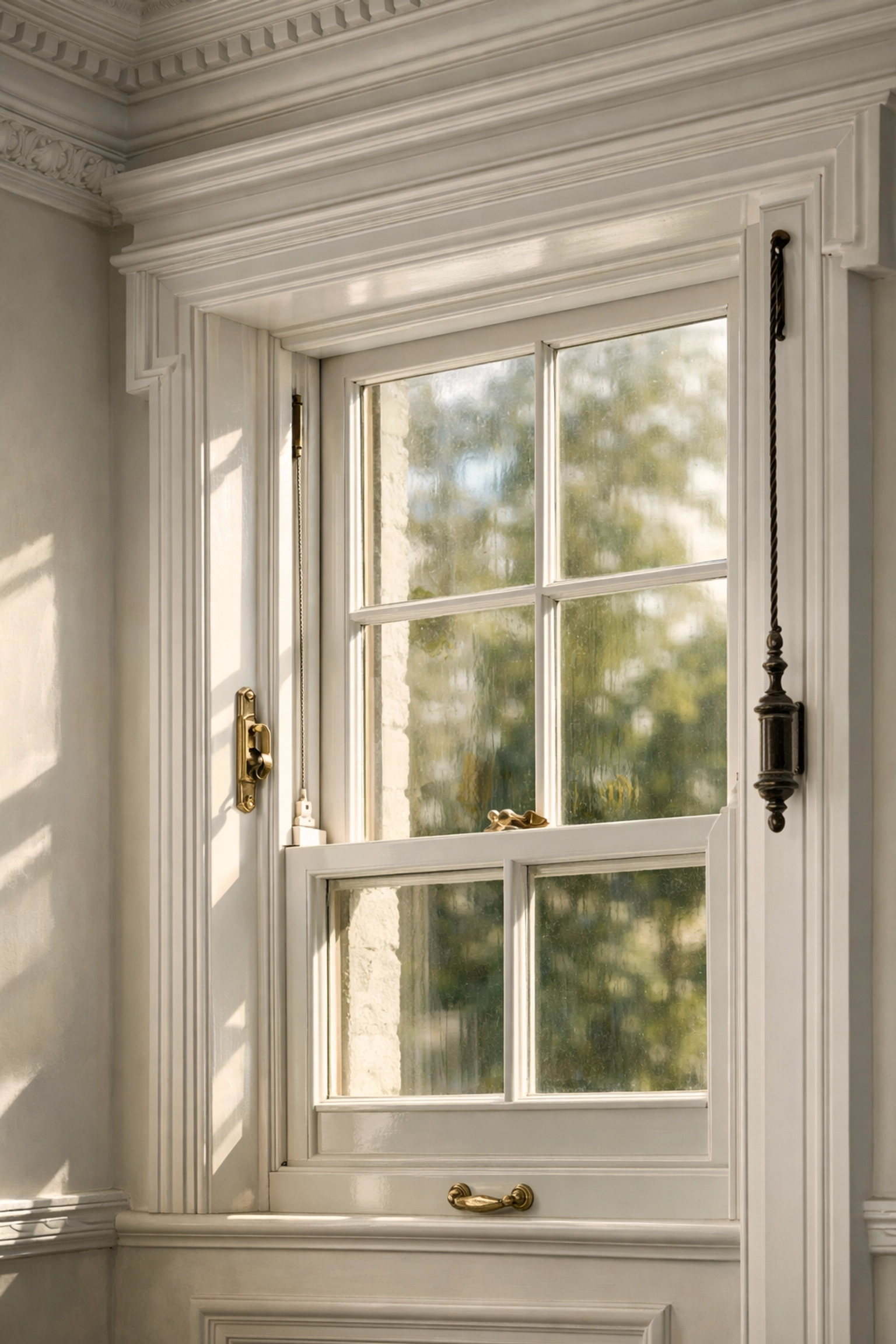
Original Georgian timber sash windows — protected under listing legislation, but no barrier to secondary glazing.
The “Reversible” Magic: Why Planners Love It
The reason secondary glazing is often exempt from the gruelling Listed Building Consent process is simple: it is fully reversible.
According to Historic England, the UK’s leading heritage authority, secondary glazing is a preferred method for improving thermal and acoustic performance because it allows the original windows to be retained unaltered. Since the secondary frame is installed on the internal side of the window reveal, it doesn’t change the e
For expert secondary glazing advice and free consultations for listed buildings in London, contact Secondary Glazing Specialist on 020 7060 1572.
Heritage Compliance7 min readEst. £8,000 – £25,000+
The Listed Building Loophole: How Secondary Glazing Gives You 21st-Century Comfort Without Planning Permission
J
James Whitfield
Conservation Planning Advisor
Owning a piece of London’s architectural history is a dream for many, but for those living in Grade I or Grade II listed buildings, that dream can sometimes feel like a drafty, noisy nightmare. You have the stunning sash windows, the original crown moulding, and the prestige of a property that has stood the test of time. However, you also have the rattling glass, the skyrocketing heating bills, and the sound of every black cab idling on the street below as if it were parked in your living room.
When you start looking for solutions, you quickly hit a brick wall: the Planning Department. Replacing original windows in a listed building with modern double glazing is often a flat-out “no,” or at the very least, a bureaucratic odyssey involving 13-week wait times and expensive heritage consultants.
Enter the “Listed Building Loophole.” It’s not a shady workaround; it’s a smart, architecturally approved strategy that provides 21st-century comfort without touching a single historic splinter. It’s called secondary glazing.
Why Traditional Upgrades Fail the Heritage Test
If you live in a Grade II listed Georgian townhouse in Marylebone or a Victorian terrace in Chelsea, your windows are considered a vital part of the building’s “special interest.” The local council’s conservation officer is legally bound to protect those windows.
Standard double glazing requires the removal of the original glass and often the modification of the timber frames. To a conservation officer, this is “loss of historic fabric.” Even “slimline” double glazing often gets rejected because the reflection of the double panes looks “wrong” to the trained eye, or the weight of the new units messes with the original sash weights.
This leaves homeowners in a bind. You’re essentially a curator of a museum that you’re also trying to live in. This is where the beauty of secondary glazing lies: it sidesteps the conflict entirely.
Original Georgian timber sash windows — protected under listing legislation, but no barrier to secondary glazing.
The “Reversible” Magic: Why Planners Love It
The reason secondary glazing is often exempt from the gruelling Listed Building Consent process is simple: it is fully reversible.
According to Historic England, the UK’s leading heritage authority, secondary glazing is a preferred method for improving thermal and acoustic performance because it allows the original windows to be retained unaltered. Since the secondary frame is installed on the internal side of the window reveal, it doesn’t change the external appearance of the building. If a future owner 100 years from now wanted to remove it, they could do so without having damaged the original 18th-century timber.
In most cases, this means you don’t need planning permission. It is the “legal shortcut” to a warm, quiet home. You get the thermal efficiency of a modern build while keeping the aesthetic integrity that made you buy a listed property in the first place.
Silence the City: The Acoustic Advantage
London is never truly quiet. Whether it’s the low-frequency rumble of the Underground, the screech of sirens, or the general hum of a city that doesn’t sleep, single-glazed windows are practically transparent to sound.
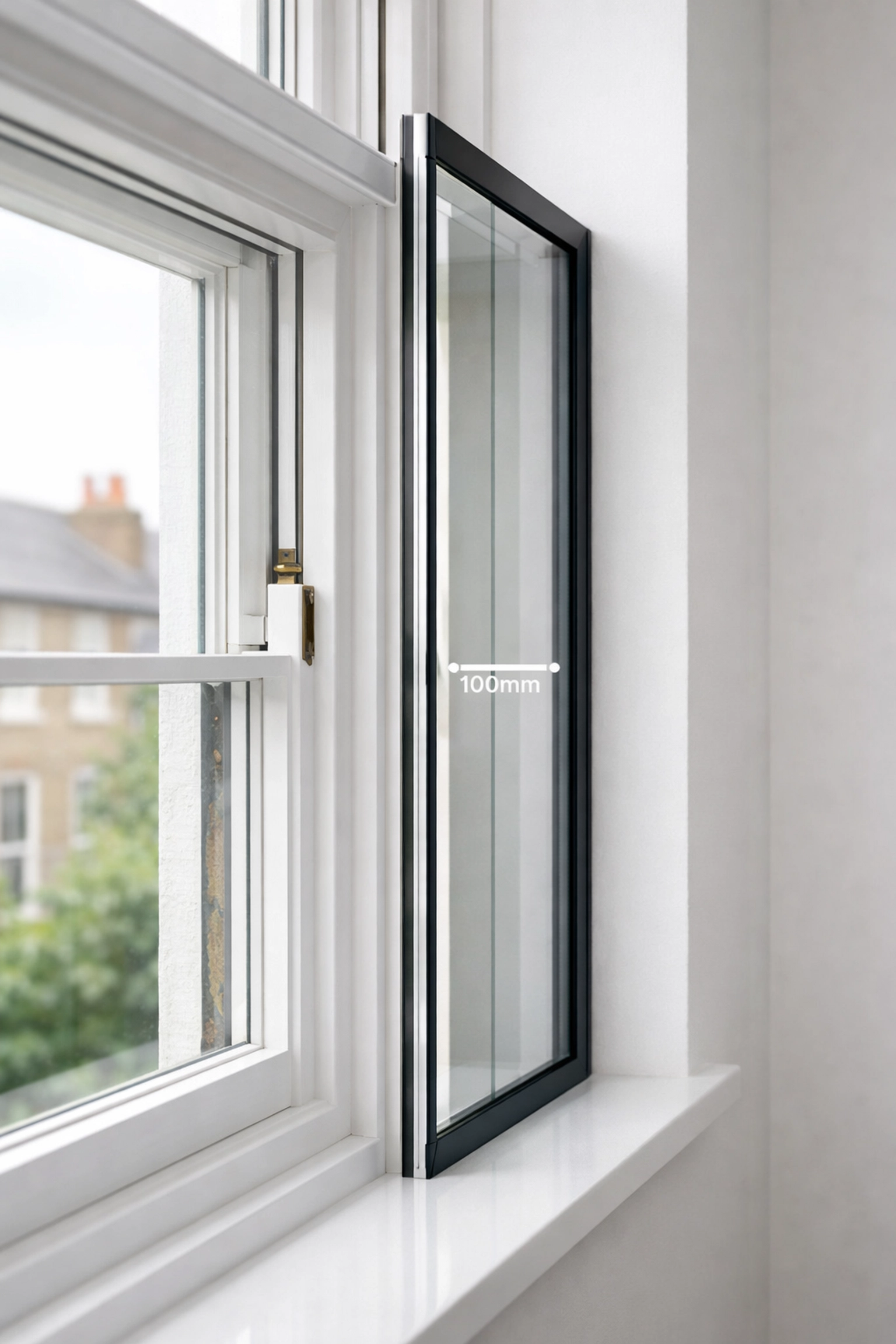
Because secondary glazing creates a significant “air gap” between the original window and the new internal pane, it is far more effective at soundproofing than standard double glazing. While double glazing has two panes of glass smashed close together, secondary glazing allows for a gap of 100mm to 200mm. This gap acts as a buffer zone that kills sound waves before they enter your room.
If you’re serious about turning your home into a sanctuary, the choice of glass within that secondary frame is everything. For our high-end projects in noisy corridors like Kensington or Westminster, we always point our clients toward the “Heavyweight Champion” of glass. In our previous deep dive on 10.8mm Acoustic Laminate Glass, we explained how this specific glass uses a specialial PVB interlayer to dampen vibrations, making it the ultimate upgrade for heritage properties. When you combine a listed sash window with a secondary unit fitted with 10.8mm acoustic laminate, you aren’t just reducing noise, you’re virtually deleting it.
The 100–200mm air cavity between original and secondary panes is the key to superior acoustic performance.
Stopping the Heat Leaks (and the Condensation)
Let’s talk about the “ice box” effect. Traditional single-glazed windows are the biggest source of heat loss in a period home. You can have the best boiler in the world, but if your windows are leaking heat, you’re essentially burning money to warm the street.
Secondary glazing can reduce heat loss through your windows by up to 75%. By creating an airtight seal on the inside, you eliminate the drafts that rattle your curtains in mid-January.
Another hidden benefit? Ending the “morning mop” of condensation. Condensation occurs when warm, moist indoor air hits a cold glass surface. By adding a secondary layer, the internal pane stays much closer to room temperature, preventing the moisture from turning into the puddles that eventually rot your original timber sills. You’re not just staying warm; you’re literally preserving the wooden bones of your house.
The Art of “Invisible” Design
A common concern for owners of high-end listed buildings is that secondary glazing will look like a “clunky” addition. In the 1980s, that might have been true. Today, it’s an art form.
Modern secondary glazing for listed buildings is designed to be “discreet to the point of invisible.” Here’s how we achieve that:
Sash Alignment: If you have vertical sliding sash windows, we use vertical sliding secondary units. The meeting rails of the secondary unit are aligned perfectly with the meeting rails of your original window. From the street, it’s impossible to see. From the inside, it blends into the architecture.
Custom Colour Matching: We don’t just do “white.” We can RAL-match the frames to the exact shade of your existing interior woodwork, whether that’s a Farrow & Ball ‘Off-White’ or a heritage ‘Archive’ grey.
Ultra-Slim Profiles: We use aerospace-grade aluminium frames that are incredibly strong but significantly thinner than standard UPVC or timber secondary frames. This ensures maximum glass area and minimum visual intrusion.
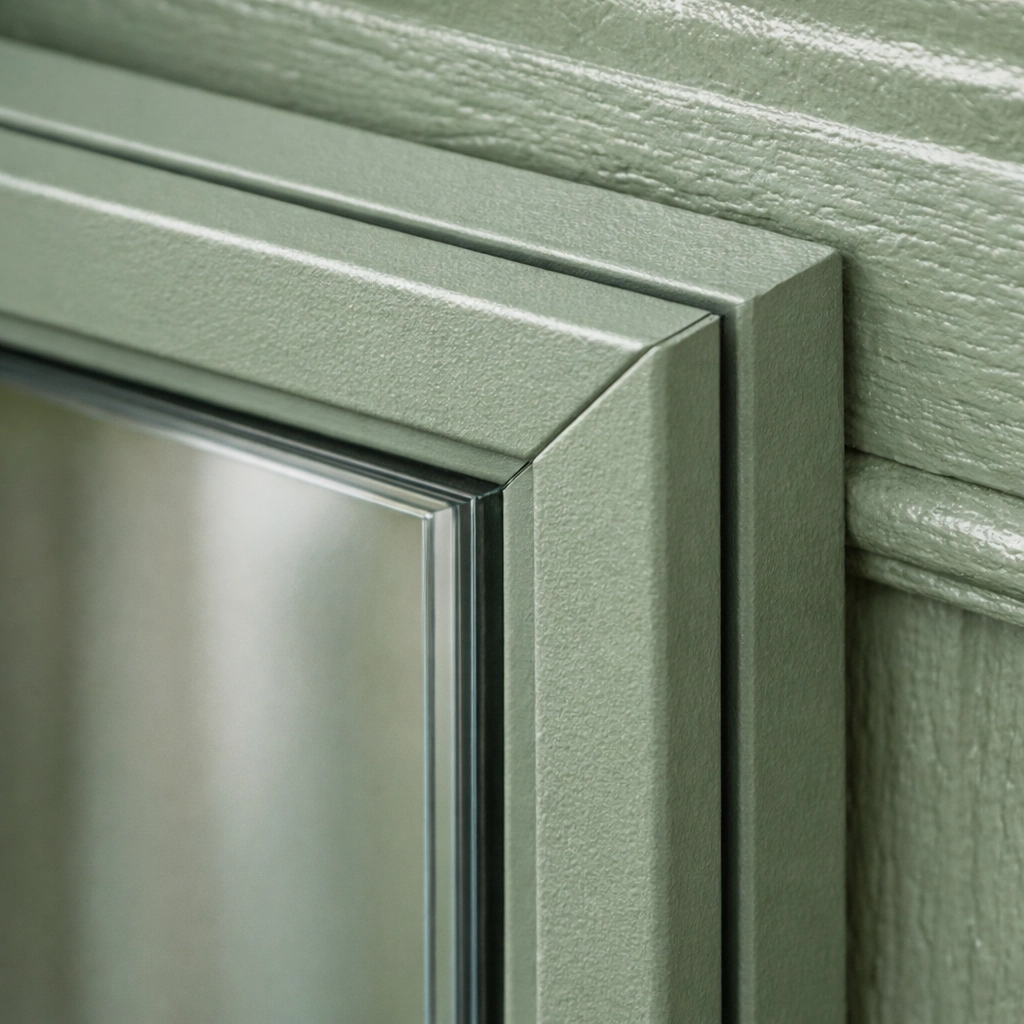
Discreet, colour-matched secondary glazing — virtually invisible from both inside and outside.
The Installation Reality: No Mess, No Stress
One of the biggest hurdles of home improvement in London is the disruption. Replacing windows involves scaffolding, skips, and a lot of dust.
Secondary glazing is a “clean” install. Because we are working on the interior, there is no need for scaffolding. Most rooms can be completed in a few hours, and since we aren’t ripping out old frames, there’s no structural debris. For a busy London professional or a family in a Grade II home, this is often the deciding factor. You could leave for work in the morning with a drafty house and come home to a soundproofed, thermally efficient sanctuary by dinner time.
A Heritage Investment
While some see secondary glazing as a compromise, savvy London property owners see it as a strategic investment. By installing soundproof secondary glazing, you are increasing the “liveability” and value of the property. A listed flat on a noisy road is a hard sell; that same flat with a library-quiet interior and high energy efficiency is a premium asset.
You are performing a dual role: you are a responsible guardian of British heritage, and you are a modern homeowner who refuses to be cold or tired.
Heritage-sensitive framing that complements, rather than competes with, original period joinery.
Summary: The Best of Both Worlds
You don’t have to choose between the charm of your 200-year-old windows and the comfort of a modern apartment. Secondary glazing is the “loophole” that allows you to have both. It satisfies the heritage officers, it keeps the heat in, and most importantly, it keeps the city out.
If you’re tired of the drafts and the noise but don’t want to fight the council for three months just to be told “no,” it’s time to look at the internal solution. When you pair a heritage-sensitive frame with high-performance 10.8mm Acoustic Laminate, you’re not just fixing a window: you’re upgrading your quality of life.
Ready to see how we can disappear your noise problems without touching your sash? Let’s talk about a bespoke solution for your property.
Sources & References
The information in this article is supported by the following sources. We strive to provide accurate, well-researched content for our readers.
Traditional Windows: Their Care, Repair and Upgrading. English Heritage (2017).
For Listed Property Owners
Get a Free Secondary Glazing Quote
London's leading secondary glazing specialists for Grade I, Grade II, and Conservation Area properties. Every project begins with a complimentary heritage survey.