How to Insulate a Listed Building Without Planning Permission: The Secondary Glazing Cheat Code
Your Grade II home has character, soul, and the thermal efficiency of a cardboard box. Here’s how secondary glazing lets you stop shivering without fighting the council.
By James Whitfield, Conservation Planning Advisor••6 min read
If you live in a Grade I or Grade II listed building, you know the vibe. You own a piece of history. Your home has “character,” “soul,” and “architectural significance.” It also has the thermal efficiency of a cardboard box in a swimming pool.
Living in a heritage property in London usually means two things: you have beautiful sash windows, and you spend most of the winter wearing three hoodies and a woolly hat inside your own living room. You want to fix it, but the moment you mention “double glazing” to a planning officer, they look at you like you’ve just suggested painting the Sistine Chapel with neon spray paint.
The good news? There is a way to stop the shivering without getting into a fistfight with the local council. It’s called secondary glazing, and it’s essentially the “cheat code” for heritage home insulation.
The Planning Permission Nightmare (and How to Avoid It)
When you own a listed building, you don’t actually own the windows: at least, not in the way you’d like to. The “heritage police” (also known as Conservation Officers) are there to make sure the historical integrity of the building remains untouched. Since traditional double glazing requires ripping out the original timber frames and replacing them with thicker, heavier glass units, it’s almost always a hard “no.”
Even if you try to get slimline double glazing, you’re looking at months of paperwork, heritage statements, and the very high possibility of rejection.
This is where secondary glazing for listed buildings saves the day. Because secondary glazing is an internal addition: a discrete second window fitted on the inside of your existing one: it is technically “reversible.” If a future owner (or a particularly grumpy ghost from the 1800s) wanted to take it out, the original sash window would still be there, untouched.
In the vast majority of cases, secondary glazing does not require planning permission because it doesn’t change the external appearance of the property. You get the warmth; the street gets the original view. Everybody wins. For the full story on why conservation officers actually prefer this approach, see our guide to the Listed Building Loophole.
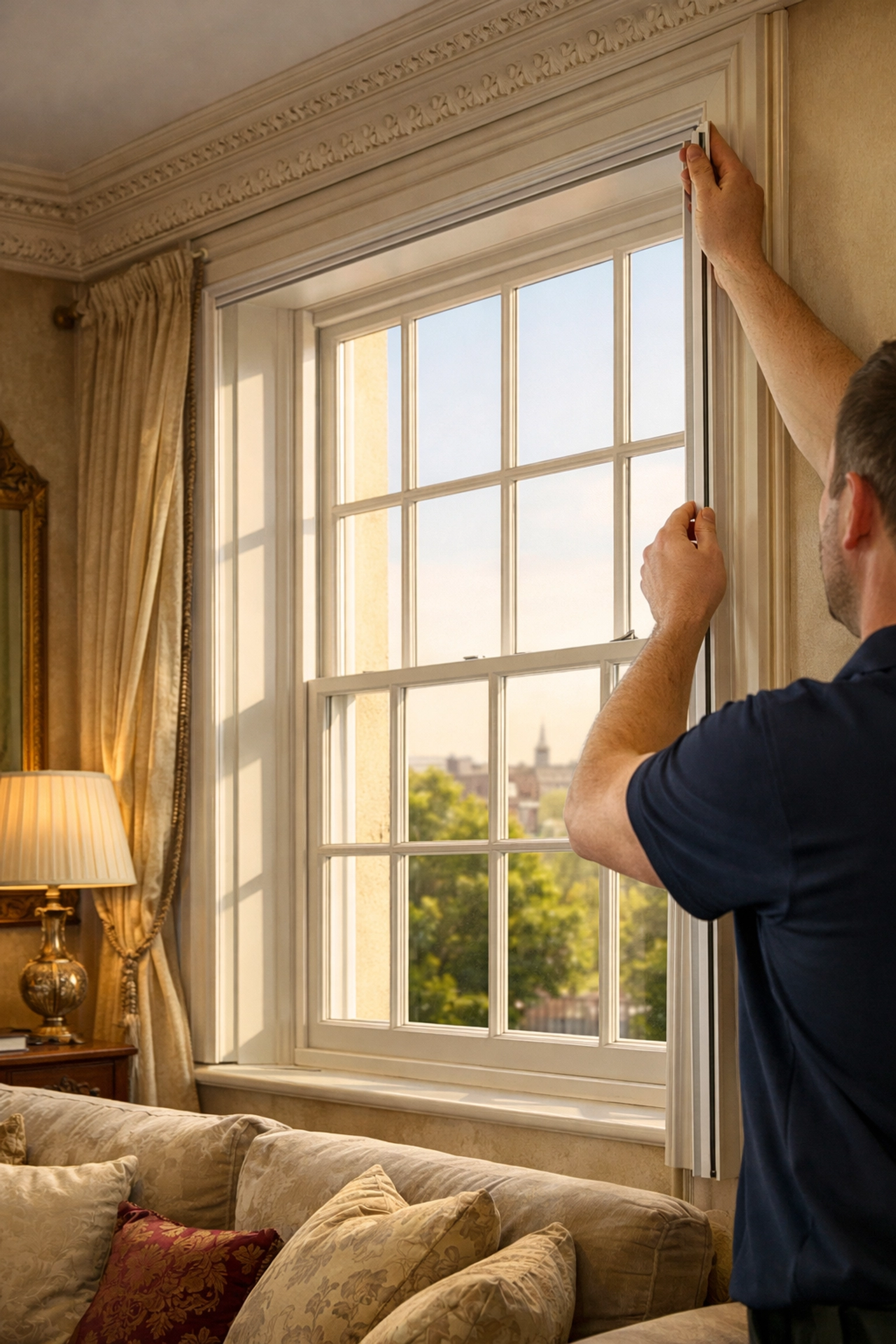
Discreet internal installation — no scaffolding, no external changes, no planning headaches.
Why Sash Windows are Thermal Disasters
Don’t get us wrong, we love a sash window. They are the crowning glory of London’s Victorian and Georgian architecture. But from a physics perspective, they are a nightmare.
For expert secondary glazing advice and free consultations for listed buildings in London, contact Secondary Glazing Specialist on 020 7060 1572.
Thermal Performance6 min readEst. £5,000 – £18,000
How to Insulate a Listed Building Without Planning Permission: The Secondary Glazing Cheat Code
J
James Whitfield
Conservation Planning Advisor
If you live in a Grade I or Grade II listed building, you know the vibe. You own a piece of history. Your home has “character,” “soul,” and “architectural significance.” It also has the thermal efficiency of a cardboard box in a swimming pool.
Living in a heritage property in London usually means two things: you have beautiful sash windows, and you spend most of the winter wearing three hoodies and a woolly hat inside your own living room. You want to fix it, but the moment you mention “double glazing” to a planning officer, they look at you like you’ve just suggested painting the Sistine Chapel with neon spray paint.
The good news? There is a way to stop the shivering without getting into a fistfight with the local council. It’s called secondary glazing, and it’s essentially the “cheat code” for heritage home insulation.
The Planning Permission Nightmare (and How to Avoid It)
When you own a listed building, you don’t actually own the windows: at least, not in the way you’d like to. The “heritage police” (also known as Conservation Officers) are there to make sure the historical integrity of the building remains untouched. Since traditional double glazing requires ripping out the original timber frames and replacing them with thicker, heavier glass units, it’s almost always a hard “no.”
Even if you try to get slimline double glazing, you’re looking at months of paperwork, heritage statements, and the very high possibility of rejection.
This is where secondary glazing for listed buildings saves the day. Because secondary glazing is an internal addition: a discrete second window fitted on the inside of your existing one: it is technically “reversible.” If a future owner (or a particularly grumpy ghost from the 1800s) wanted to take it out, the original sash window would still be there, untouched.
In the vast majority of cases, secondary glazing does not require planning permission because it doesn’t change the external appearance of the property. You get the warmth; the street gets the original view. Everybody wins. For the full story on why conservation officers actually prefer this approach, see our guide to the Listed Building Loophole.
Discreet internal installation — no scaffolding, no external changes, no planning headaches.
Why Sash Windows are Thermal Disasters
Don’t get us wrong, we love a sash window. They are the crowning glory of London’s Victorian and Georgian architecture. But from a physics perspective, they are a nightmare.
The Single Pane Problem: Most original sashes use 3mm or 4mm float glass. It’s about as good at stopping heat loss as a chain-link fence is at stopping a mosquito.
The “Rattle” Factor: Timber shrinks and expands over decades. This creates gaps between the sash and the frame. That whistling sound you hear on a Tuesday night? That’s your expensive central heating escaping into the street.
The Meeting Rail Gap: The point where the two sashes meet is notorious for letting in cold air.
By adding a high-performance internal pane, you create a pocket of still air between the original window and the new one. This “air gap” acts as a massive thermal buffer. If you’re looking for secondary glazing London experts, you’ll find that we focus specifically on making this gap large enough to not just stop the cold, but to kill the noise of the city too.
The Financials: Secondary Glazing Sash Windows Cost
Let’s talk money. We know that “heritage restoration” usually sounds like code for “emptying your bank account.”
When people search for secondary glazing sash windows cost, they often compare it to the cost of full window replacement. Here’s the reality: replacing a single high-quality, heritage-approved timber sash window with double glazing can easily run you £2,000 to £3,000 per window, once you factor in the bespoke joinery and the planning headache.
Secondary glazing is significantly more cost-effective. Depending on the size and the type of glass you choose (like our premium 10.8mm acoustic laminate), you’re looking at a fraction of that cost. Plus, you start seeing the return on investment immediately through lower heating bills.
Research shows that secondary glazing can reduce heat loss through windows by up to 63%. When you combine that with professional draught-proofing, you’re looking at a home that actually stays warm when the boiler is off. You can find more details on pricing and options at secondaryglazingspecialist.co.uk.
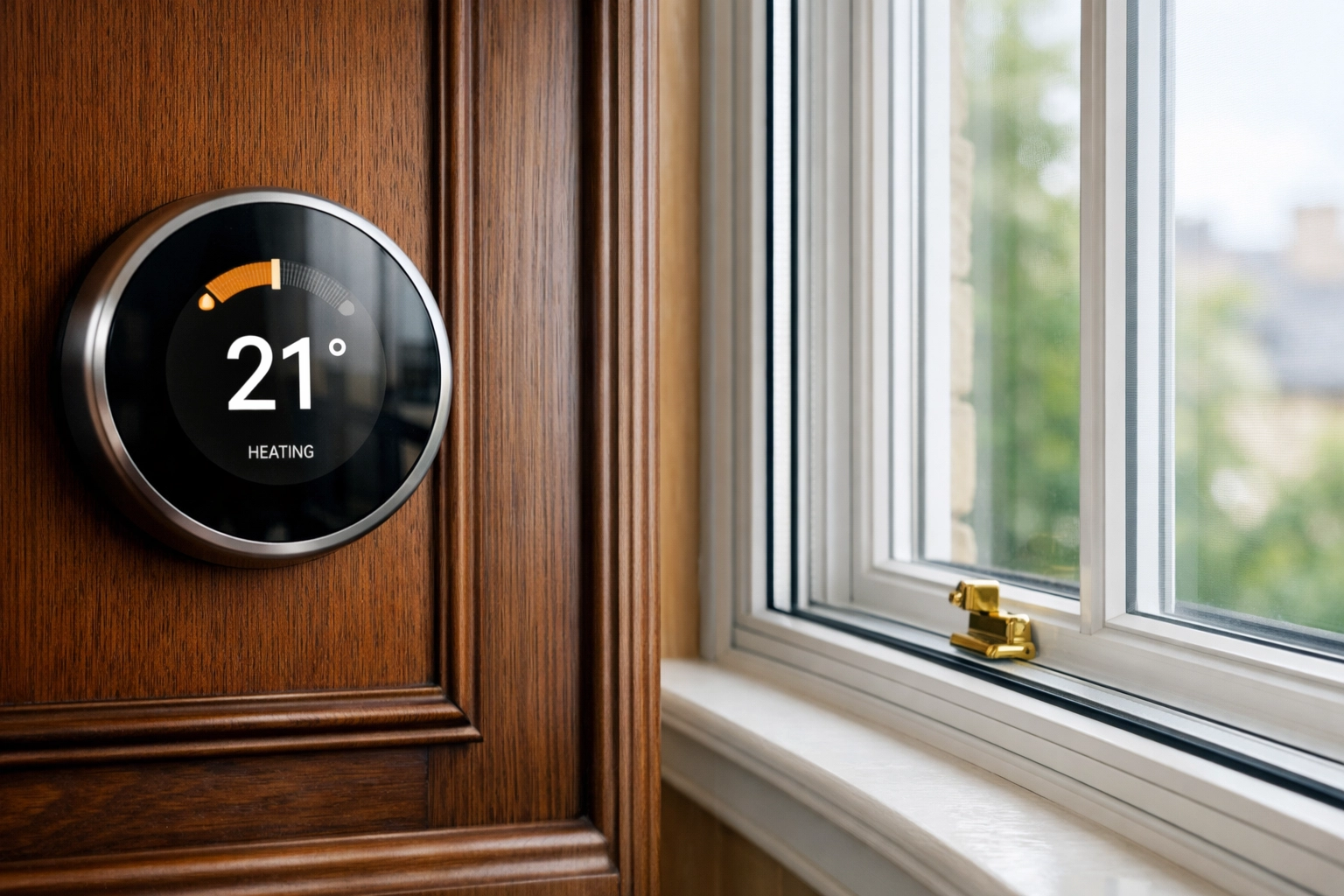
Secondary glazing creating an effective thermal buffer on a period sash window.
It’s Not Just About the Heat
While the primary goal of insulating a listed building is usually to stop the “indoor breeze,” there are two massive side effects that our clients in London absolutely love:
1. The Death of the London Decibel
London is loud. Whether it’s sirens in Kensington or the early morning bin lorries in Hackney, single-pane sash windows do nothing to block the noise. Because secondary glazing creates a significant air gap (usually 100mm or more), it’s actually better at soundproofing than standard double glazing. It turns your home into a sanctuary. For the full comparison, read our deep dive on secondary glazing vs double glazing for traffic noise.
2. Condensation Control
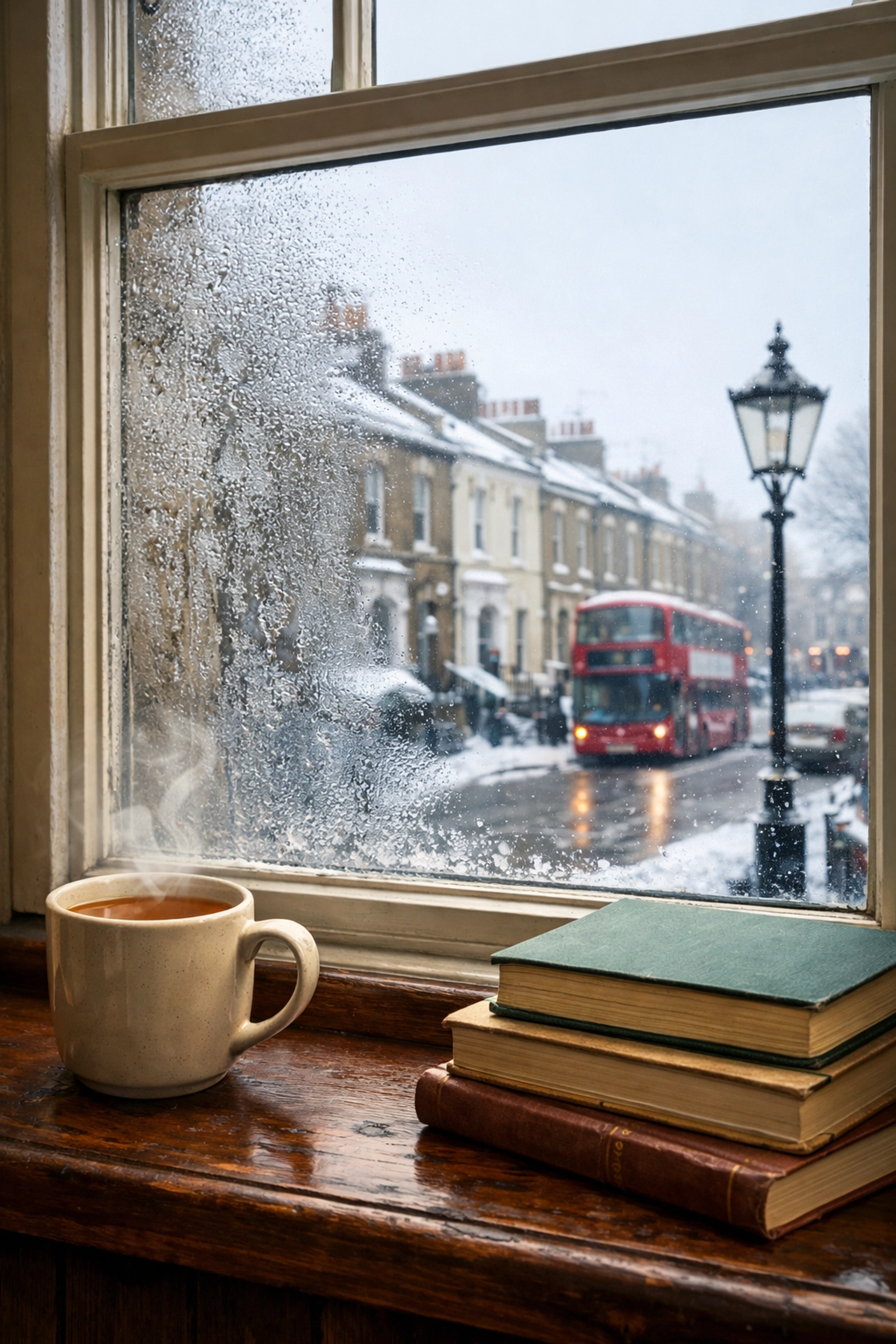
Original sash windows are famous for “crying” in the morning. That condensation isn’t just annoying; it rots your timber frames and feeds mould. By adding an internal seal, the inner pane stays closer to room temperature, which significantly reduces the moisture buildup on your beautiful original woodwork.
How We Do It (The Discreet Way)
One of the biggest fears people have about secondary glazing is that it will look like a clunky “office” window stuck onto a beautiful period frame.
At Secondary Glazing Specialist, we’ve spent years perfecting the art of the invisible install. We use ultra-slim aluminium profiles that can be colour-matched to your existing woodwork. If you have a vertical sliding sash, we install a vertical sliding secondary unit. The rails line up perfectly. From the street, you can’t see it. From the inside, you have to look twice to notice it’s there.
Colour-matched profiles that disappear into the original timber reveals.
The “Loophole” That’s Actually a Recommendation
We often call secondary glazing a “loophole” because it bypasses the planning drama, but truth be told, organisations like Historic England actually recommend it. They prefer it over double glazing because it preserves the historic fabric of the building.
It’s the most sustainable way to upgrade an old house. You aren’t throwing away perfectly good (and historically important) timber frames. You’re simply giving them a high-tech shield.
Summary: Is It Worth It?
If you’re tired of living in a beautiful freezer, the answer is a resounding yes. You get:
No Planning Permission Required: Usually, you can just get it done.
Instant Warmth: Up to 63% reduction in heat loss.
Peace and Quiet: Incredible noise reduction for city living.
Protection: Stops condensation from rotting your original frames.
Cost-Effective: A better ROI than full window replacement.
Don’t let your Grade II status keep you in the cold. You can have a home that looks like 1850 but feels like 2026.
If you’re ready to stop the draughts and start enjoying your home again, head over to secondaryglazingspecialist.co.uk and let’s see what we can do for your sash windows. We promise no “heritage headaches”: just a warmer, quieter home.
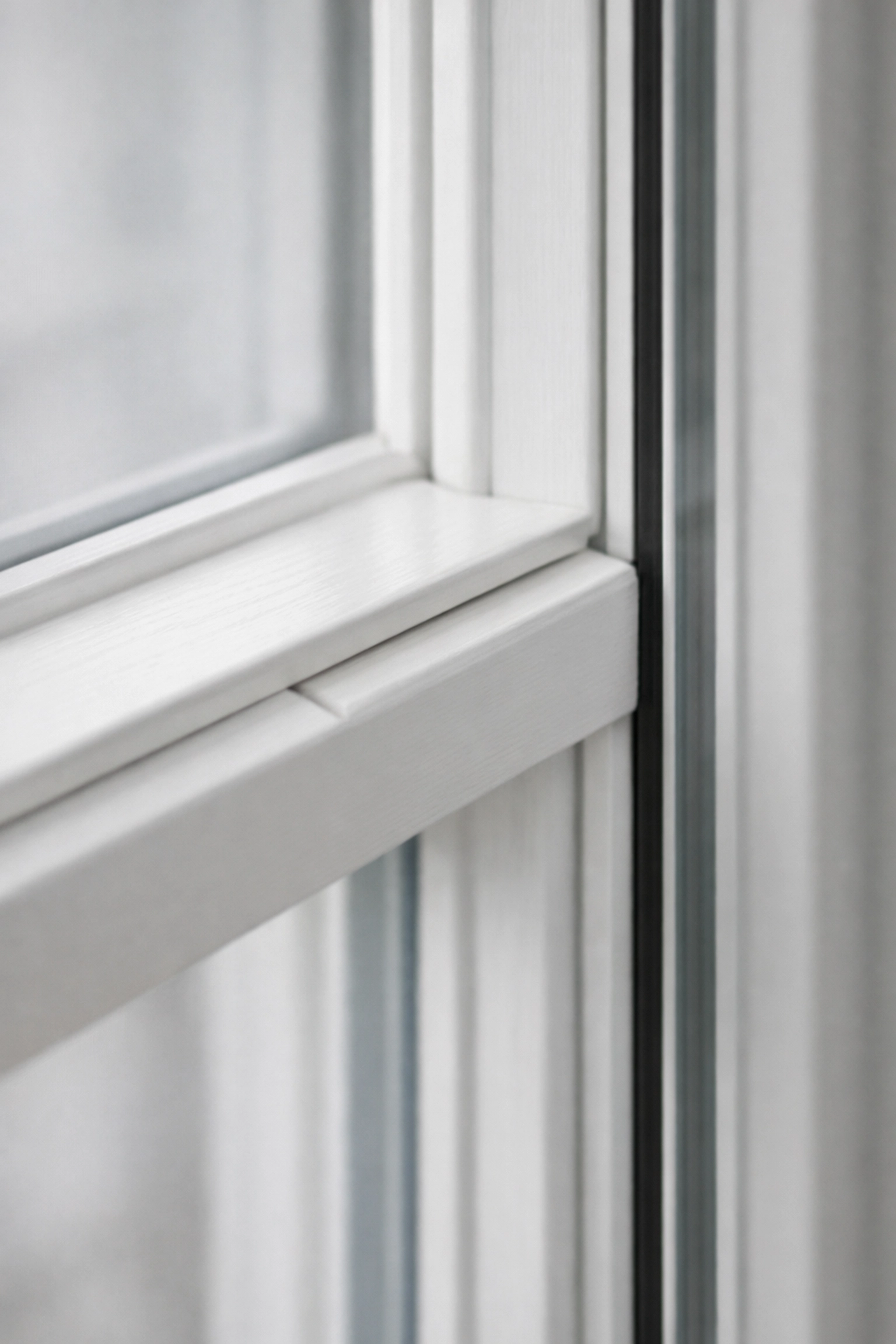
Precision-fitted secondary glazing at the meeting rail — the detail that makes the difference.
Sources & References
The information in this article is supported by the following sources. We strive to provide accurate, well-researched content for our readers.
London's leading secondary glazing specialists for Grade I, Grade II, and Conservation Area properties. Every project begins with a complimentary heritage survey.