Secondary Glazing Cost Calculator: The 2026 Pricing Guide
James Whitfield
Conservation Planning Advisor

Let’s be honest: trying to find a straight answer for “how much does secondary glazing cost?” is usually a nightmare. You visit a website, look for a price, and instead, you’re met with a “Get a Quote” button that leads to three weeks of sales calls.
At Secondary Glazing Specialist, we like to do things a bit differently. While we are currently building a fancy digital widget, we don’t think you should have to wait for a developer to finish their coffee to get an estimate.
This post is your manual secondary glazing cost calculator. We’ve broken down the exact math we use when pricing up jobs in 2026. Whether you have a drafty terrace in Fulham or a noisy flat near the M25, this guide will help you budget to the penny.
Why Use a Secondary Glazing Cost Calculator?
If you’re living in a period property with original sash windows, you probably already know that full double-glazing replacement is eye-wateringly expensive. Not to mention, if you’re in a listed building or a conservation area, the council might not even let you touch them.
Secondary glazing is the smart middle ground. It’s roughly 30% to 50% cheaper than new double-glazed windows, but the price still varies based on what you need. By using the math below, you can figure out if you’re looking at a £500 weekend DIY project or a £5,000 professional whole-house upgrade.
Step 1: The Base Price by Window Type
Not all windows are created equal. A window that just sits there (fixed) is much cheaper than one that needs to slide up and down to match your original architecture.
For your manual calculator, start with these 2026 base rates per window (standard size approx. 1000mm x 1500mm):
1. Fixed Panels (£180 - £250)
The simplest option. These don’t open. They are perfect for small bathroom windows or “borrowed light” windows where ventilation isn’t an issue. See our Fixed Secondary Glazing Guide for more details.
2. Horizontal Sliders (£280 - £350)
Commonly used for modern casement windows. The panels slide left to right. They are cost-effective and provide easy access to your primary window for cleaning. See our Horizontal Slider Guide.
3. Vertical Sliders / Sash Windows (£380 - £550)
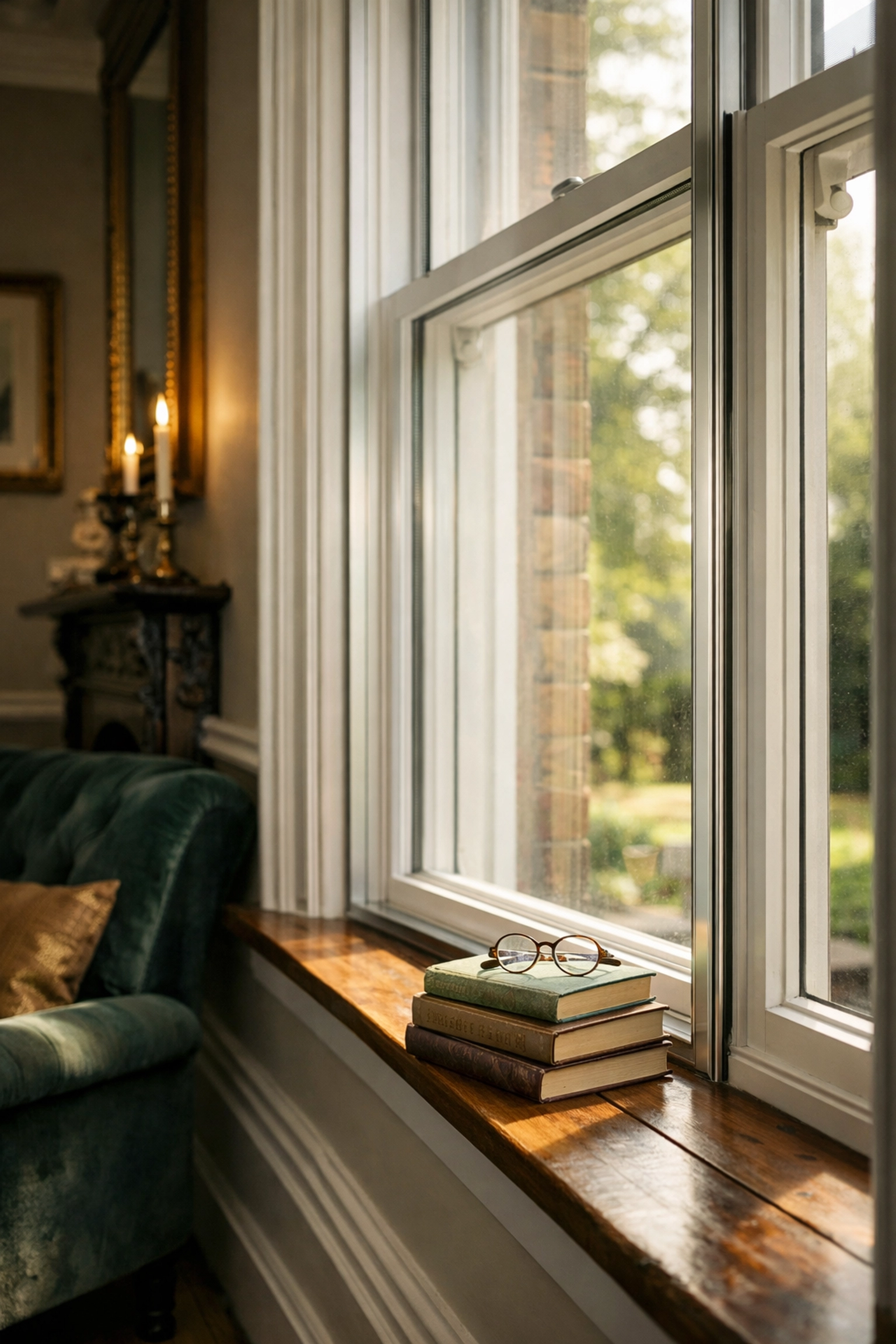
This is where the secondary glazing sash windows cost starts to climb. Because these units use spring balances to stay open (so they don’t crash down on your fingers), the hardware is more expensive. These are designed to align perfectly with your existing timber sashes, preserving that classic London look. See our Vertical Slider Guide.
Step 2: The Glass Upgrade (The “Silence” Tax)
The base prices above usually assume standard 4mm or 6mm toughened glass. This is great for heat retention (thermal insulation), but if you’re trying to block out the sound of the 7:00 AM bin lorry, you’ll need to upgrade the glass.
- Standard 4mm Glass: Included in base price. Good for heat, okay for noise.
- 6.4mm Laminate Glass: Add £40 - £60 per window. This glass has a plastic interlayer that makes it harder to break and better at dampening sound.
- 10.8mm Acoustic Laminate (Stadip Silence): Add £90 - £130 per window. This is the “big guns.” If you live on a main road, this is the one you want. It significantly increases the weight and the cost, but it turns a noisy bedroom into a library.
You can read more about why glass thickness matters in our Acoustic Glass Guide.
Step 3: Professional Installation vs. DIY
This is the biggest fork in the road for your budget.
The DIY Route
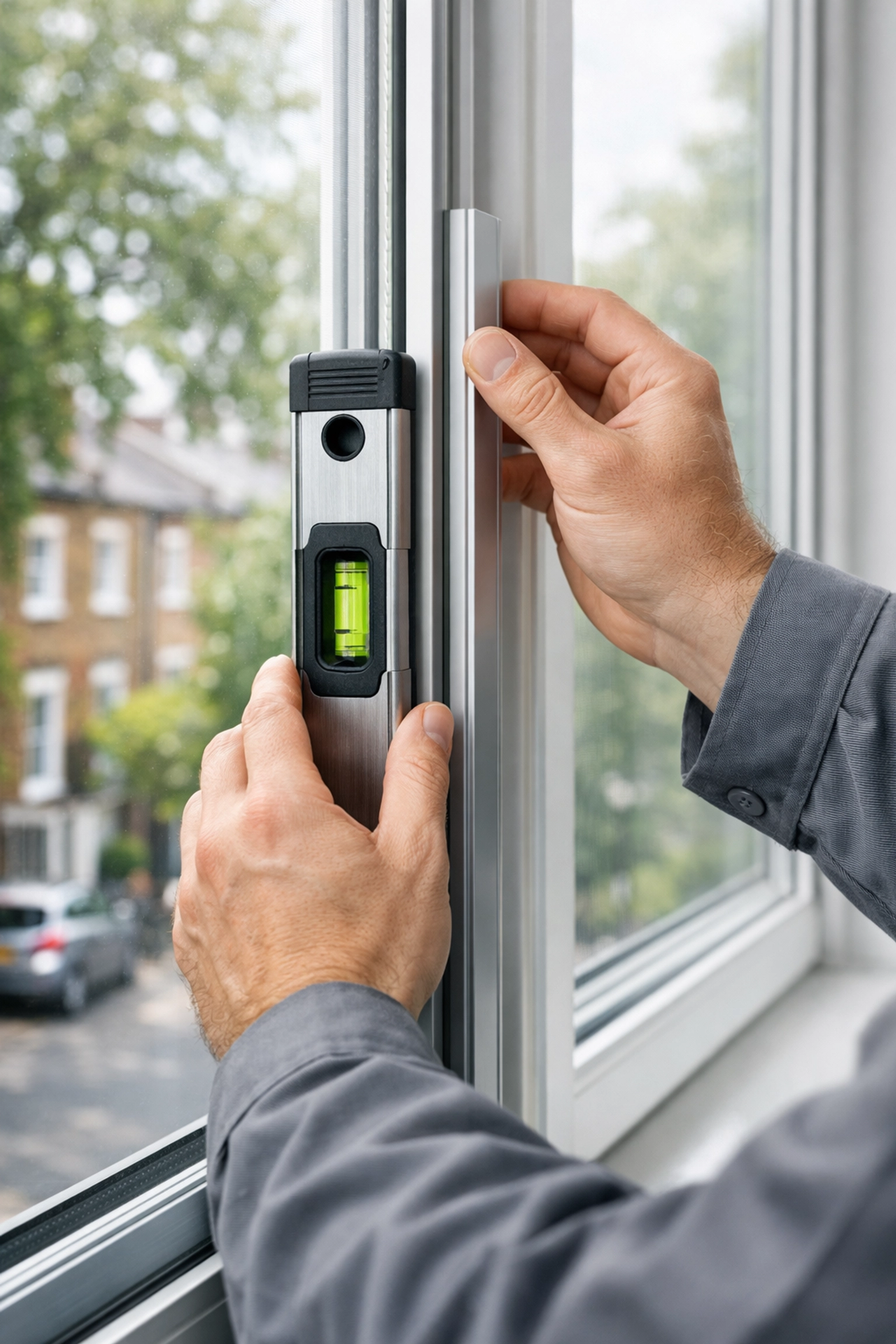
If you are handy with a drill and a spirit level, you can buy “supply only” units.
- Pros: You save roughly £60 - £100 per window in labour costs.
- Cons: If you measure wrong by even 2mm, the unit won’t fit, and most suppliers won’t give you a refund for a custom-made mistake.
The Professional Installation Route
In 2026, professional fitting for a standard home usually looks like this:
- Small Job (1-2 windows): Minimum call-out fees usually apply, often around £200 - £250.
- Medium Job (5-8 windows): Expect to pay roughly £70 - £90 per window for fitting.
- Large Job (10+ windows): The “per window” rate usually drops as the team can get into a rhythm.
The “Back of the Envelope” Calculator
Let’s put it all together. Here are three common scenarios we see in London and the Home Counties.
Scenario A: The “Quiet Life” Bedroom (1 Window)
You have one large sash window in a bedroom facing a busy road. You want the best noise reduction possible.
- Base (Vertical Slider): £450
- Glass Upgrade (10.8mm Acoustic): £120
- Professional Installation: £200 (Minimum call out)
- Total Estimate: £770
Scenario B: The 3-Bed Semi (8 Windows)
You want to improve the U-Values across the whole house to save on heating bills. You choose standard glass.
- Base (Mix of Sliders and Casements): 8 x £320 = £2,560
- Glass Upgrade: £0
- Professional Installation: 8 x £80 = £640
- Total Estimate: £3,200
Scenario C: The DIY Flat (3 Windows)
You’re a confident DIYer living in a flat with horizontal sliding windows.
- Base (Horizontal Sliders): 3 x £300 = £900
- Glass Upgrade (6.4mm Laminate): 3 x £50 = £150
- Installation: £0
- Total Estimate: £1,050
Hidden Factors That Can Change the Price
While our manual secondary glazing cost calculator is accurate for 90% of homes, there are a few “gotchas” that can add to the bill:
- Arched or Shaped Windows: If your window isn’t a square, it requires template cutting. Add roughly 40% to the base price.
- Special Finishes: Standard frames are usually White, Silver, or Brown. If you want a specific RAL colour to match your Farrow & Ball “Elephant’s Breath” walls, there is usually a surcharge of £150 - £300 for the whole order to cover the custom powder coating.
- Access Issues: If the fitters need scaffolding to reach a second-story window from the outside (rare for secondary glazing, but it happens), costs will spike.
- Sub-frames: If your walls are uneven (thanks, Victorian builders!), we may need to install timber sub-frames first to give the secondary glazing a flat surface to sit on.
Is It Worth It? (The ROI Factor)
We know that spending £3,000+ on windows isn’t a decision you make lightly. However, it’s worth looking at what you get back:
- Energy Bills: Secondary glazing can reduce heat loss by up to 65%. In 2026 energy prices, most homeowners see the units pay for themselves in 5-8 years.
- Property Value: For period homes, preserving original windows is a huge selling point. Buyers love the look of sash windows but hate the drafts. Secondary glazing gives them the best of both worlds. Check out our Listed Building Loophole to see why this is the preferred choice for heritage experts.
- Sanity: You cannot put a price on a full night’s sleep. If you live near a pub, a train line, or a busy intersection, the acoustic benefits are life-changing.
How to Get an Accurate Quote Today
This manual calculator should give you a very strong idea of what you’re looking at. If your math comes out to £2,500 and you’ve been quoted £8,000, something is wrong!
If you’re ready to move from “rough math” to a “solid price,” here is what we recommend:
- Measure your windows (Height x Width) in millimetres.
- Note the style (Does it slide up? Does it open like a door?).
- Decide on your goal (Is it for noise or for heat?).
Once you have that, drop us an email at info@secondaryglazingspecialist.com. We can usually give you a “firm” quote over the phone or via email without even visiting the property, saving everyone a lot of time and tea.
Secondary glazing is one of the single best investments you can make in an older home. It’s cheaper than replacement, better for the environment, and: now that you’ve used our calculator: you can go into the process with your eyes wide open.
Ready to stop the drafts? Explore our Secondary Glazing vs Replacing Sash Windows deep dive for more specific pricing on period properties.
