Fixed Secondary Glazing: The Slimmest, Most Affordable Option for Non-Opening Windows
No tracks, no hinges, no moving parts. Fixed panels deliver the slimmest profile, lowest cost, and best permanent seal for picture windows, high-level lights, and borrowed lights.
By James Whitfield, Conservation Planning Advisor••6 min read
If you’ve been researching ways to quiet down your home or keep the warmth in without replacing your original windows, you’ve likely come across the term “secondary glazing.” It’s the go-to solution for many London homeowners, especially those living in period properties or conservation areas where swapping out the glass just isn’t an option.
But not all secondary glazing is built the same. While some people need windows that slide open to catch a breeze, there is a specific type that often gets overlooked: Fixed Secondary Glazing.
In this guide, we’re going to dive deep into why fixed units are the unsung heroes of the home improvement world. They are the slimmest, most affordable, and, honestly, the most effective way to block out the roar of city traffic.
What is Fixed Secondary Glazing?
Let’s keep it simple. Fixed secondary glazing consists of a single, non-opening pane of glass (usually housed in a very slim aluminium frame) that is fitted onto the internal side of your existing window.
Unlike a Vertical Slider or a hinged unit, a fixed panel doesn’t have any moving parts. It stays put. Because it doesn’t need tracks, rollers, or hinges to operate, the frame can be incredibly narrow.
It’s the minimalist choice. Once it’s installed, it’s designed to blend into your window reveal so perfectly that you might even forget it’s there.
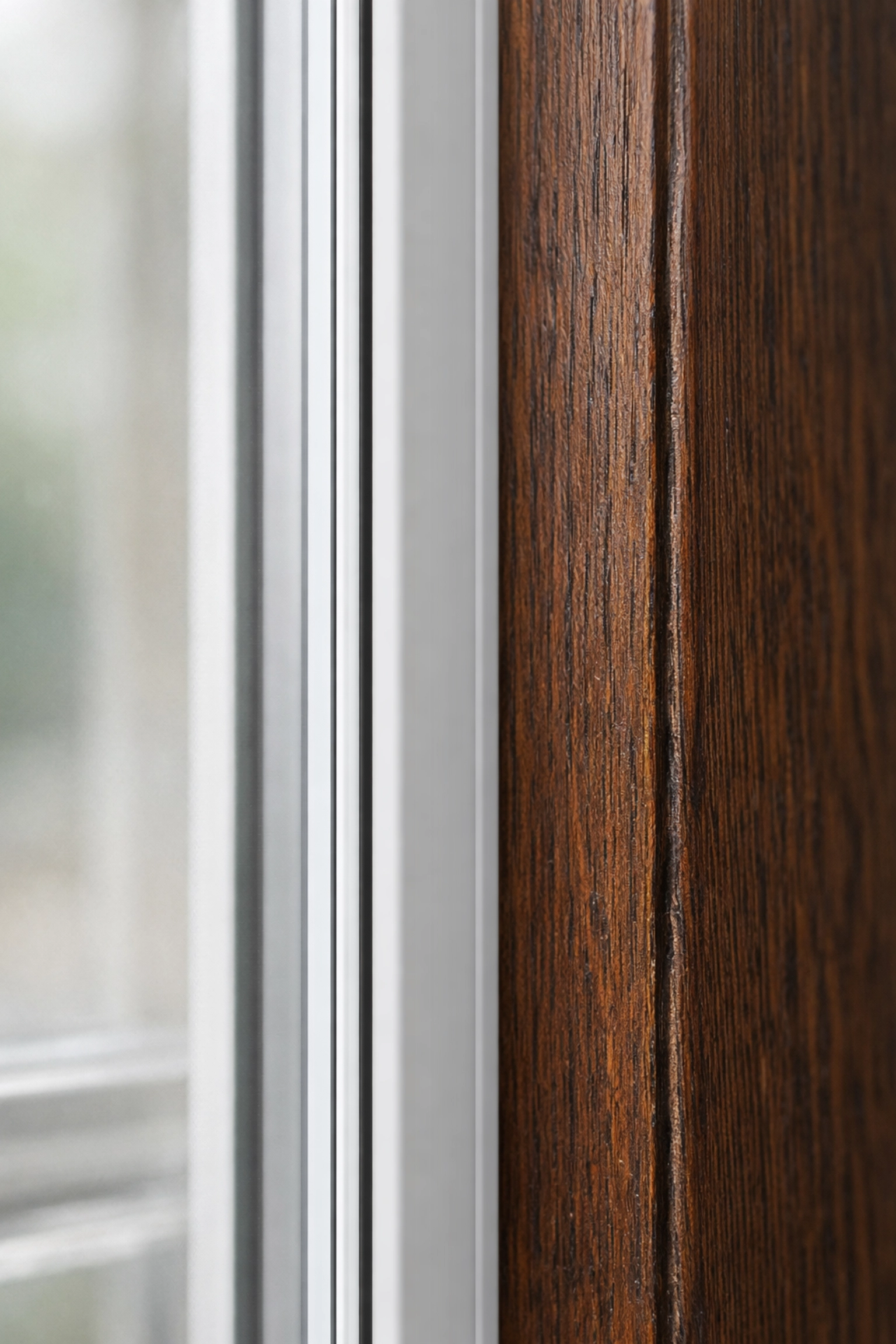
Ultra-slim fixed frames — the minimalist’s choice for secondary glazing.
The Ultimate “Slim” Profile
One of the biggest concerns people have when adding an extra layer of glass is: “Will it look bulky?”
With fixed units, the answer is a resounding “No.” Because there’s no mechanism needed to make the window move, we can use the slimmest aluminium sections available. This makes fixed secondary glazing the most discreet option on the market.
For many of our clients with beautiful, ornate picture windows, the goal is to protect the view while adding insulation. A fixed unit allows you to do exactly that. The profile is so low that it rarely interferes with your original window’s sightlines. If you want the “barely there” look, this is the style for you.
Why It’s the Most Cost-Effective Option
Let’s talk numbers. When you compare secondary glazing costs, you’ll quickly notice that fixed units sit at the more affordable end of the spectrum.
Why is it cheaper?
Simple C
For expert secondary glazing advice and free consultations for listed buildings in London, contact Secondary Glazing Specialist on 020 7060 1572.
Technical Guide6 min readEst. £2,500 – £10,000
Fixed Secondary Glazing: The Slimmest, Most Affordable Option for Non-Opening Windows
J
James Whitfield
Conservation Planning Advisor
If you’ve been researching ways to quiet down your home or keep the warmth in without replacing your original windows, you’ve likely come across the term “secondary glazing.” It’s the go-to solution for many London homeowners, especially those living in period properties or conservation areas where swapping out the glass just isn’t an option.
But not all secondary glazing is built the same. While some people need windows that slide open to catch a breeze, there is a specific type that often gets overlooked: Fixed Secondary Glazing.
In this guide, we’re going to dive deep into why fixed units are the unsung heroes of the home improvement world. They are the slimmest, most affordable, and, honestly, the most effective way to block out the roar of city traffic.
What is Fixed Secondary Glazing?
Let’s keep it simple. Fixed secondary glazing consists of a single, non-opening pane of glass (usually housed in a very slim aluminium frame) that is fitted onto the internal side of your existing window.
Unlike a Vertical Slider or a hinged unit, a fixed panel doesn’t have any moving parts. It stays put. Because it doesn’t need tracks, rollers, or hinges to operate, the frame can be incredibly narrow.
It’s the minimalist choice. Once it’s installed, it’s designed to blend into your window reveal so perfectly that you might even forget it’s there.
Ultra-slim fixed frames — the minimalist’s choice for secondary glazing.
The Ultimate “Slim” Profile
One of the biggest concerns people have when adding an extra layer of glass is: “Will it look bulky?”
With fixed units, the answer is a resounding “No.” Because there’s no mechanism needed to make the window move, we can use the slimmest aluminium sections available. This makes fixed secondary glazing the most discreet option on the market.
For many of our clients with beautiful, ornate picture windows, the goal is to protect the view while adding insulation. A fixed unit allows you to do exactly that. The profile is so low that it rarely interferes with your original window’s sightlines. If you want the “barely there” look, this is the style for you.
Why It’s the Most Cost-Effective Option
Let’s talk numbers. When you compare secondary glazing costs, you’ll quickly notice that fixed units sit at the more affordable end of the spectrum.
Why is it cheaper?
Simple Construction: Fewer components mean lower manufacturing costs.
Faster Installation: Without the need to align tracks or test sliding mechanisms, installation is usually quicker and more straightforward.
Durability: No moving parts means there’s nothing to wear out. There are no springs to tension or wheels to grease.
If you have a large “picture window” (one that doesn’t open anyway), there is absolutely no reason to pay extra for a sliding or hinged unit. Choosing fixed glazing allows you to stretch your budget further, perhaps allowing you to upgrade the glass quality across the whole house rather than just one room.
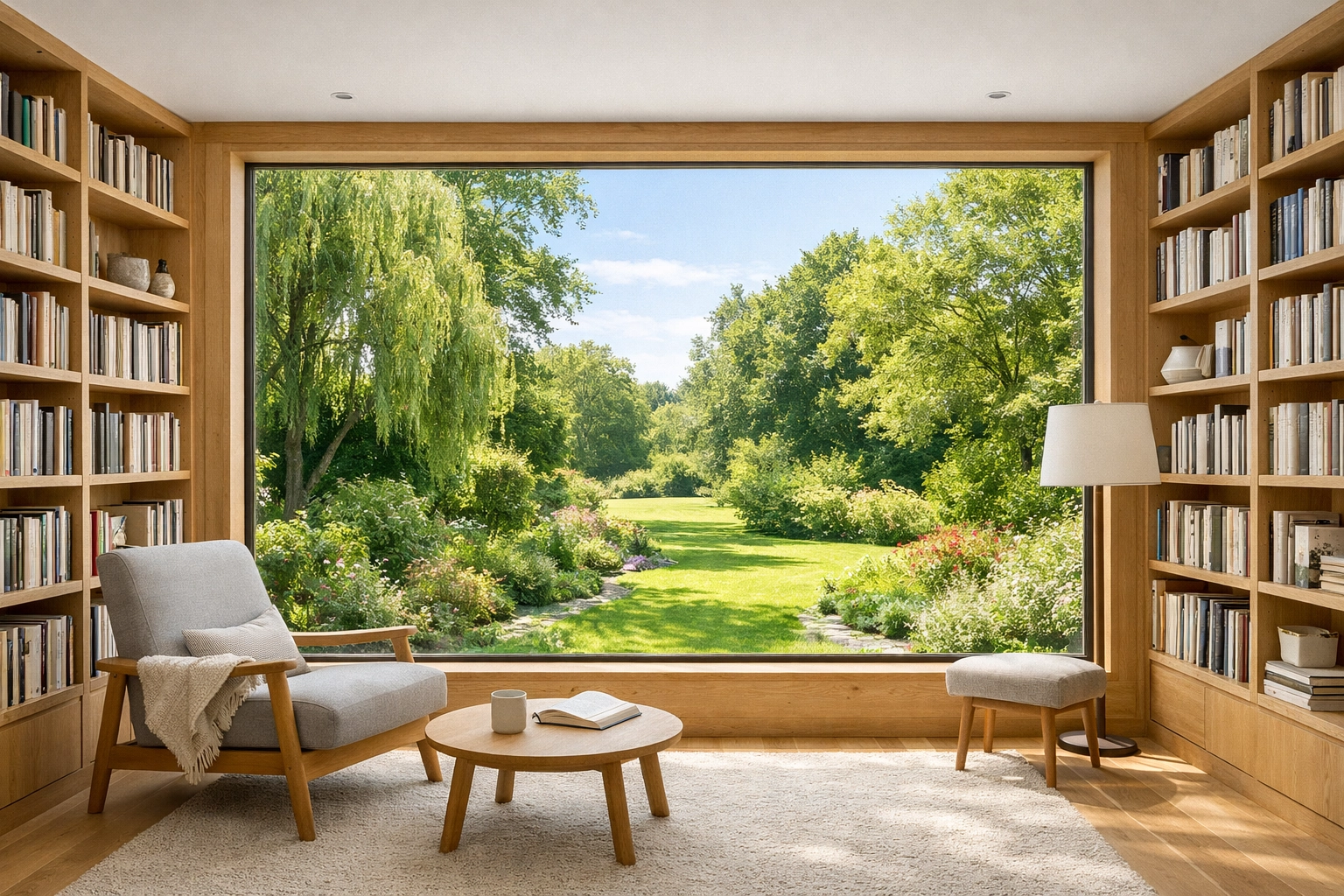
Maximum impact, minimum cost — fixed glazing on a picture window.
Serious Soundproofing: The Power of 10.8mm Glass
If you’re reading this, chances are you’re tired of hearing sirens, buses, or the neighbor’s early-morning commute. This is where soundproof secondary glazing really shines.
Fixed units provide a “permanent seal.” Because the frame is fixed directly to the wall or the window timber, there are no gaps for air (and therefore sound) to leak through. While sliding units are very effective, they still have brushes and seals that allow for movement. A fixed unit is airtight.
To get the absolute best results for noise reduction, we always recommend 10.8mm acoustic laminate glass.
Most standard windows use 4mm glass. By adding a 10.8mm thick pane with a specialized acoustic interlayer, you are essentially creating a massive barrier for sound waves. The different thicknesses of glass (your original window vs. the new secondary layer) work together to cancel out different frequencies of noise. For the full science, see our guide on why 10.8mm acoustic laminate is the gold standard.
When you combine a 10.8mm acoustic pane with a 100mm to 150mm air gap, the results are life-changing. We’ve seen noise reductions of up to 80%. That is the difference between hearing a conversation on the street and total silence.
10.8mm acoustic laminate in a fixed frame — the ultimate “permanent seal” for noise.
Thermal Efficiency and the Permanent Seal
It’s not just about the noise. Fixed secondary glazing is a powerhouse when it comes to heat retention.
Drafty windows are the biggest enemy of a cozy home. Even if your original windows look great, they often let in “micro-drafts” through the joints and seals. Because a fixed unit creates a solid, unbreaking barrier over the entire window opening, it acts like a giant thermal blanket.
By trapping a layer of air between the two panes, you create an insulation buffer. This keeps your expensive heating inside the room and prevents the cold London winter from creeping in. Over time, the energy savings alone can help pay back the initial cost of the installation. For more on thermal improvements, see our guide on insulating a listed building without planning permission.
Where Should You Use Fixed Units?
While we love fixed units, they aren’t for every window. You obviously shouldn’t put a fixed unit over a window you need for ventilation or as a fire escape.
However, they are perfect for:
Picture Windows: Large windows that were never designed to open.
High-Level Windows: Windows that are out of reach and only there for light.
Small Side Windows: Those narrow windows often found next to front doors or in hallways.
Borrowed Lights: Internal windows between rooms where privacy or soundproofing is needed but ventilation isn’t.
If you have a mix of window types, we often suggest combining styles. You might have Vertical Sliders on your main sash windows and use Fixed Units on the smaller, non-functional panes to save on costs while maintaining a uniform look.
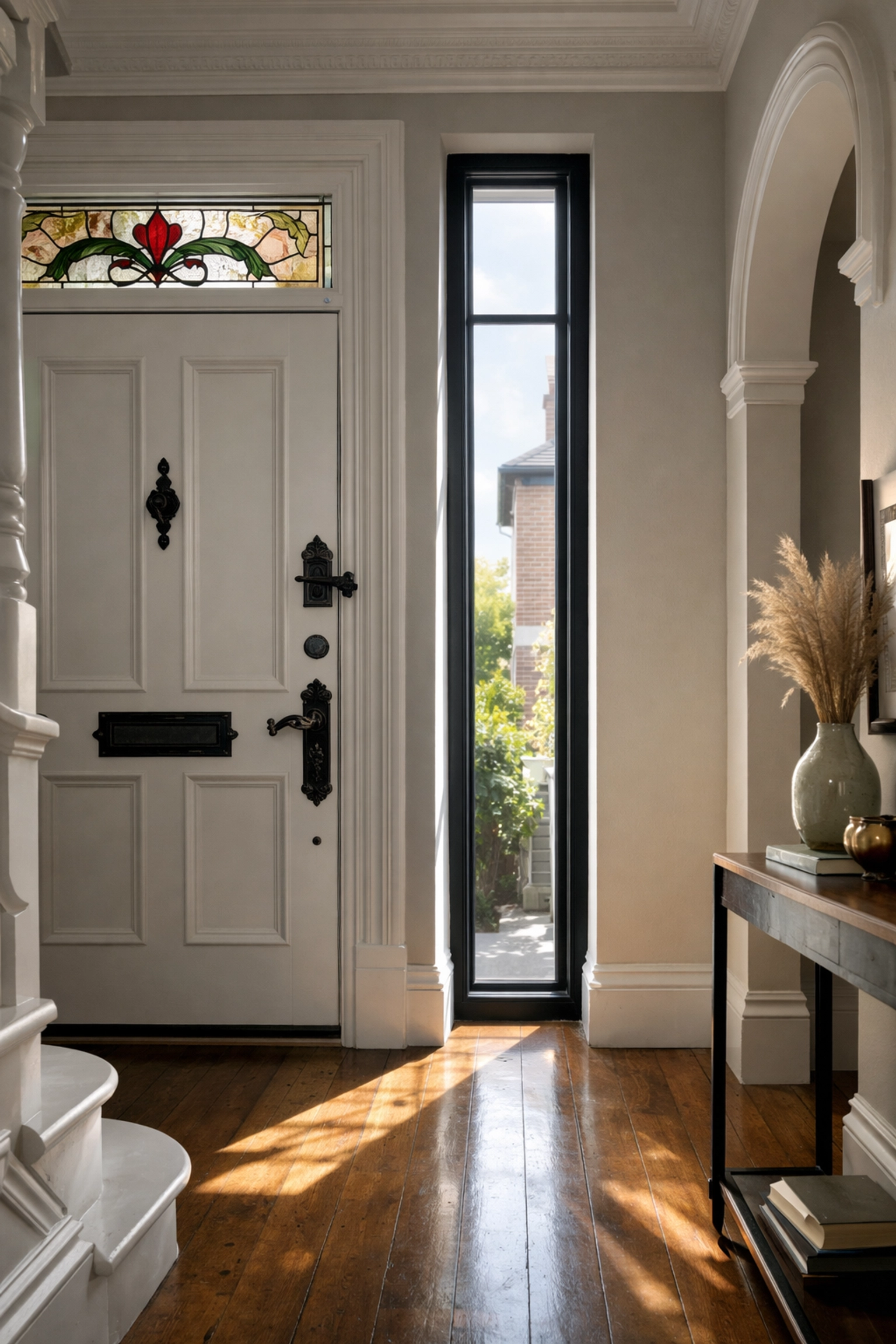
Perfect for hallway side-lights and high-level windows that never need to open.
Maintenance: Set It and Forget It
One of the best things about fixed secondary glazing is the lack of maintenance. Because there are no hinges to oil or tracks to vacuum, you really don’t have to do much.
The only “downside” people mention is cleaning. Since the unit doesn’t open, how do you clean the back of the glass or the inside of your original window?
Most modern fixed units are designed with “turnbuckles” or simple clips that allow the entire frame to be popped out of the reveal. Once or twice a year, you can remove the panel, give everything a quick wipe down, and snap it back into place. It’s a five-minute job that ensures your windows stay crystal clear.
Is Fixed Secondary Glazing Right for You?
If you are looking for the absolute best value for money, the slimmest possible look, and the highest level of noise reduction, fixed secondary glazing is hard to beat. It’s a “no-nonsense” solution that does exactly what it says on the tin.
By focusing on high-quality materials like 10.8mm acoustic laminate glass and precision-engineered aluminium frames, you can transform a cold, noisy room into a peaceful sanctuary without breaking the bank.
London's leading secondary glazing specialists for Grade I, Grade II, and Conservation Area properties. Every project begins with a complimentary heritage survey.