Secondary Glazing vs Double Glazing for London Traffic Noise: Which Actually Works?
Penny Hargreaves
Heritage Acoustics Writer

If you live in a Victorian terrace in Chelsea or a grand Georgian townhouse in Marylebone, you know the “London Sound.” It’s a rhythmic cocktail of sirens, idling black cabs, and the low-frequency rumble of the red bus that stops right outside your bedroom window at 5:00 AM.
For many homeowners in these high-end period properties, the first instinct is to look at double glazing. It’s the modern standard, right? But when it comes to the specific, persistent drone of London traffic, the reality is a bit more complicated. In fact, if your goal is true silence, standard double glazing might actually be a disappointment.
Let’s look at why secondary glazing is increasingly the “secret weapon” for London’s heritage homes and why the physics of sound often favours an extra pane over a brand-new window.
The Science of Silence: Why the Gap Matters
To understand why secondary glazing often outperforms double glazing for noise, we have to talk about physics. Don’t worry, we’ll keep it simple.
Sound travels in waves. To stop those waves from entering your living room, you need to create obstacles. Most modern double-glazed units feature two panes of glass separated by a tiny gap, usually between 16mm and 20mm. While this is fantastic for keeping heat in, it’s not actually that great at stopping low-frequency noise, like the rumble of a heavy truck or a bus engine.
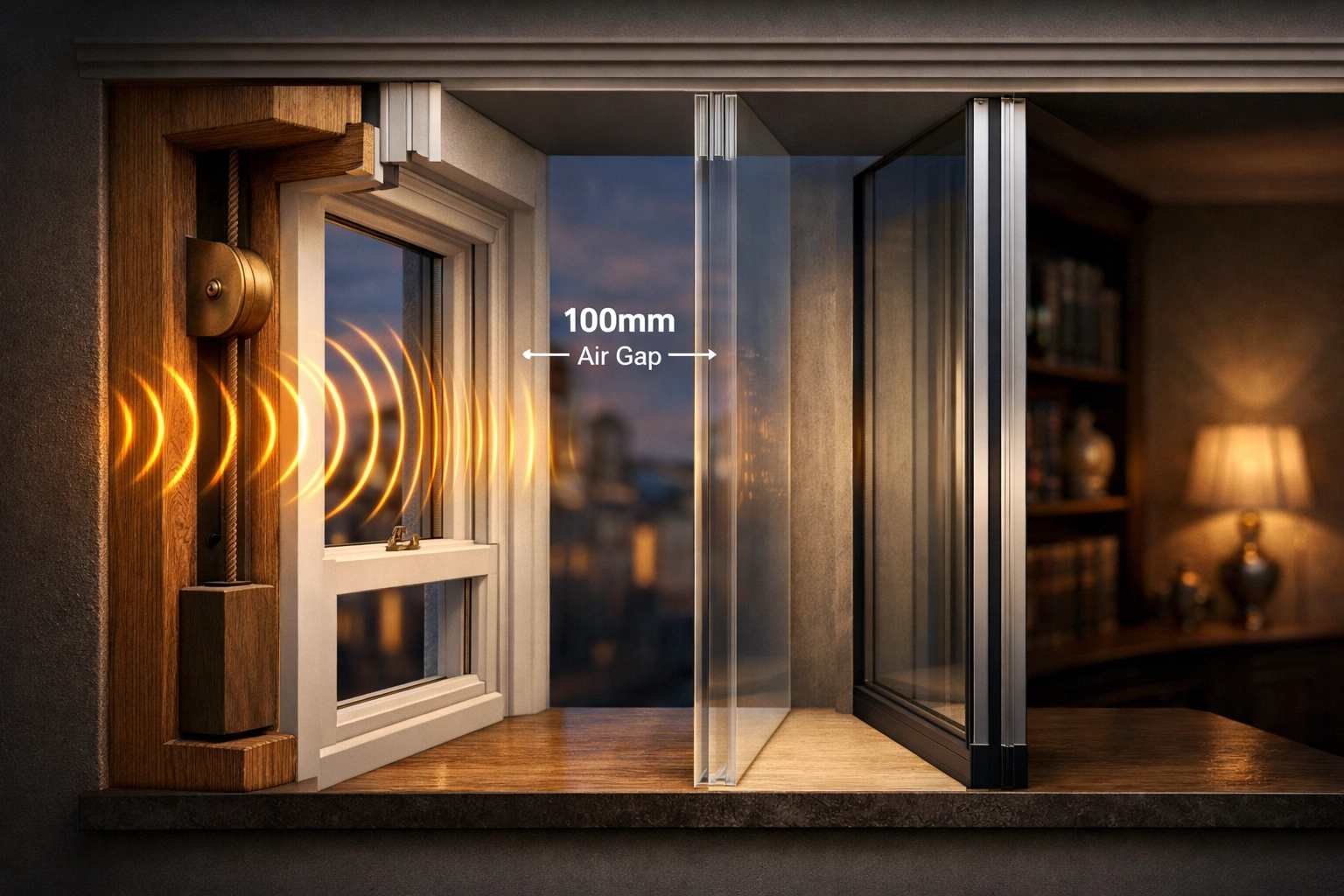
Secondary glazing works differently. Instead of replacing your window, we install a discreet, high-performance internal window behind your existing one. This creates a massive air gap, often 100mm or more.
Why does this matter? Because a 100mm air gap acts as a “buffer zone” that decouples the two layers of glass. In a double-glazed unit, the two panes are so close together that they can actually vibrate in sympathy with each other, passing the sound through like a drum skin. With secondary glazing, the sound wave hits the first pane, loses energy in that wide air gap, and is then blocked again by the second pane.
The result? While double glazing might reduce noise by about 25–30 decibels, a professional secondary glazing installation can achieve a reduction of 50 decibels or more. In human terms, that’s the difference between hearing a conversation clearly and barely knowing it’s happening.
Protecting Your Period Property’s Soul
If you’re lucky enough to own a home with original sash windows, the last thing you want to do is rip them out. Not only does it kill the character of the property, but in many parts of London, it’s actually illegal.
The Planning Permission Headache
If your home is a Listed Building or located in one of London’s many Conservation Areas (think Kensington, Notting Hill, or Greenwich), replacing your windows with double glazing is a bureaucratic nightmare. Even the “slimline” double glazing options often get rejected because they change the reflection and the profile of the building.
Secondary glazing is almost always the loophole. Because it’s an internal addition that doesn’t change the external appearance of the house, it rarely requires planning permission. You get to keep your beautiful original timber frames and hand-blown glass on the outside while enjoying 21st-century silence on the inside. For a deeper look at this strategy, see our guide on the Listed Building Loophole.
The Weight Issue
Original Victorian sash windows were designed to hold a single sheet of 3mm or 4mm glass. When you try to retro-fit double glazing into those old frames, you’re adding a massive amount of weight. This often leads to broken sash cords, failing weights, and frames that eventually warp or rot. Secondary glazing carries its own weight in its own frame, leaving your heritage windows to do what they do best: look pretty.

The Premium Choice: 10.8mm Acoustic Laminate
If you are serious about silencing the street, you shouldn’t just settle for standard glass. We often recommend 10.8mm acoustic laminate glass for our high-end London projects.
Standard glass is rigid. Acoustic laminate glass, however, is made of two layers of glass sandwiched around a special PVB (polyvinyl butyral) interlayer. This interlayer acts as a dampening core. Think of it like a sponge that soaks up sound vibrations.
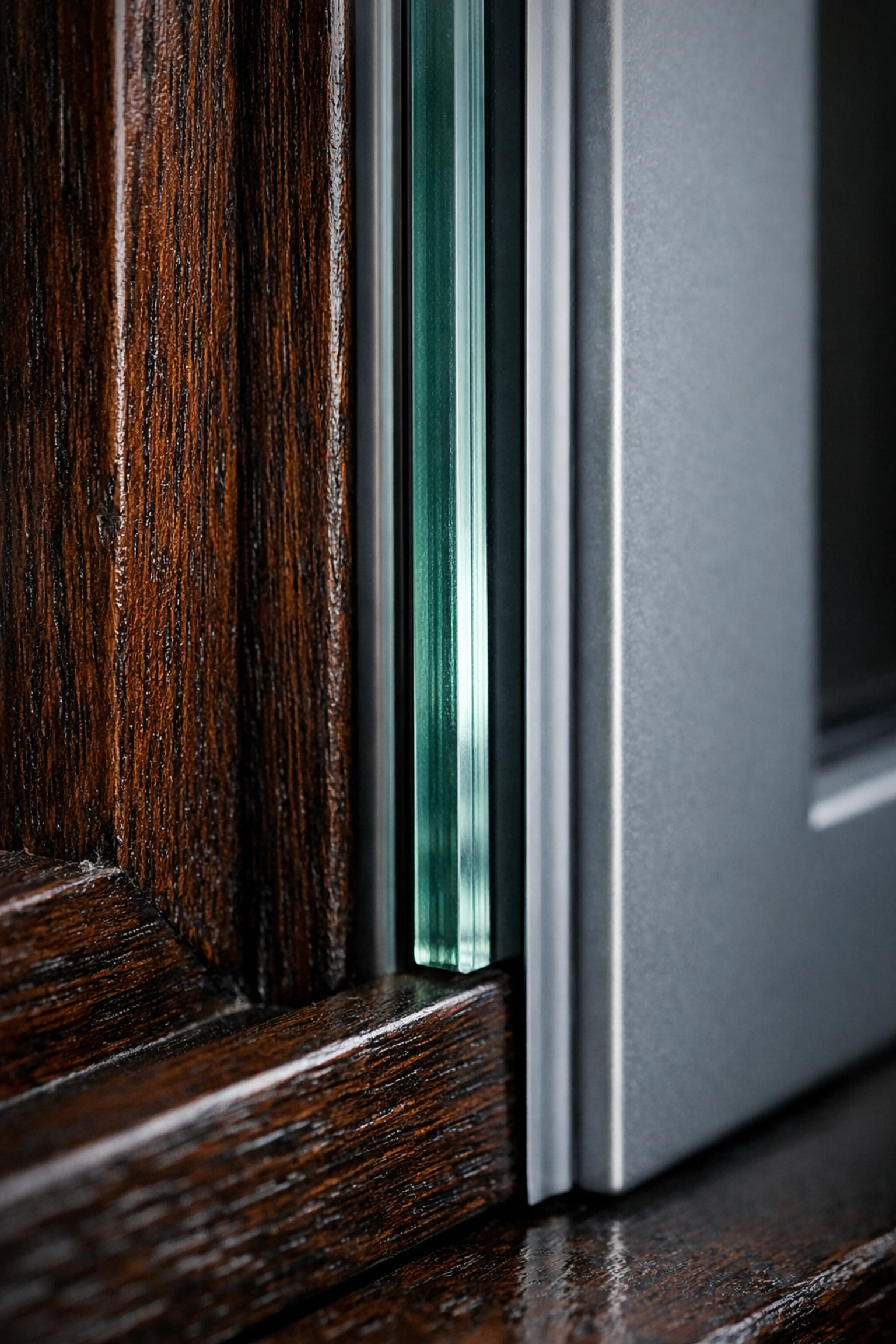
When you combine a 100mm air gap with 10.8mm acoustic laminate glass, you aren’t just “reducing” noise; you are essentially building a soundproof barrier. This is the same technology used in recording studios and luxury hotels near airports. For a master bedroom overlooking a busy London A-road, it is a total game-changer. Read our full technical breakdown of why 10.8mm acoustic laminate is the gold standard.
Is Double Glazing Ever Better?
We like to be honest with our clients. Double glazing does have its perks. If your original window frames are rotting, falling apart, or structurally unsound, then secondary glazing isn’t going to save them. In that case, a full replacement is necessary.
Double glazing is also slightly better for pure thermal insulation in some cases, simply because the units are vacuum-sealed with argon gas. However, modern secondary glazing is no slouch in the heat department either. By creating that extra seal, it eliminates draughts, which is often the biggest cause of heat loss in old London homes.
But if your main enemy is the “moped-at-midnight” or the “bus-at-dawn,” secondary glazing wins the trophy every single time.
Minimal Disruption, Maximum Results
One of the biggest hurdles for London homeowners is the thought of “works.” Nobody wants scaffolding up for three weeks and dust covering the Persian rugs.
This is another area where secondary glazing shines. Because we aren’t removing the primary windows, the installation is remarkably clean. Most rooms can be completed in a few hours. There’s no need for scaffolding, no need to repaint the exterior of your house, and no need to worry about the British weather ruining your interior while the windows are out.
It’s a surgical strike. We come in, install the bespoke frames (which can be colour-matched to your existing woodwork), and leave you with a home that suddenly feels like a sanctuary.
The Cost Equation
Let’s talk money. Replacing original sash windows with high-quality, heritage-approved double glazing in a London property can easily run into the tens of thousands.
Secondary glazing is generally more cost-effective. You aren’t paying for expensive timber frame fabrication or the high labour costs of a full window “rip-out.” Instead, you are investing your budget where it matters most: the glass and the acoustic seal.
For the owner of a multi-storey Georgian townhouse, choosing secondary glazing over double glazing can save a significant amount of money while actually providing a better result for noise reduction. It’s one of those rare moments where the more affordable option is actually the superior one for the job at hand.
The Verdict: Which is Better for London?
If you live in a modern build with no character restrictions and your windows are failing, go for double glazing.
But if you live in a period home and your primary goal is to stop the relentless hum of London traffic from ruining your sleep, secondary glazing is the clear winner.
By focusing on that 100mm+ air gap and opting for premium 10.8mm acoustic laminate glass, you can turn a noisy city-centre bedroom into a quiet retreat. You get to keep your home’s history, avoid the planning office, and finally hear yourself think.

Summary Comparison Table
| Feature | Double Glazing | Secondary Glazing |
|---|---|---|
| Noise Reduction | Moderate (25–30dB) | Excellent (Up to 50dB+) |
| Air Gap | Narrow (16–20mm) | Wide (100mm+) |
| Listed Building Friendly? | Rarely | Yes |
| Installation Disruption | High (Days/Scaffolding) | Low (Hours/Internal) |
| Aesthetic Impact | Changes Exterior Look | Virtually Invisible |
| Premium Glass Option | Standard Laminate | 10.8mm Acoustic Laminate |
London is never going to get quieter, but your home certainly can. Choosing the right glazing isn’t just about home improvement; it’s about reclaiming your peace of mind.
Sources & References
The information in this article is supported by the following sources. We strive to provide accurate, well-researched content for our readers.
- 1Website
Glazing Performance Standards and Specifications. Glass and Glazing Federation. Accessed February 2026.
- 2Report
U-values and Thermal Performance of Windows. Building Research Establishment (2020).
- 3Government
London Traffic Noise Mapping. Transport for London (2023).


