Magnetic Secondary Glazing: The Budget DIY Option for Renters and First-Timers
Penny Hargreaves
Heritage Acoustics Writer

If you live in a drafty flat or a period home where the wind whistles through the window frames, you’ve probably spent a few cold nights wondering how to fix it without breaking the bank. Replacing windows is a massive investment, and even professional secondary glazing can be a step too far for some budgets: especially if you’re renting.
That’s where magnetic secondary glazing comes in. It is often described as the “hack” of the home improvement world. It’s lightweight, relatively cheap, and you can install it yourself on a Sunday afternoon. But is it actually any good?
In this guide, we’re going to dive deep into what magnetic secondary glazing is, why it might be the perfect temporary fix, and where it falls short compared to heavyweight professional options like 10.8mm acoustic laminate glass.
What Exactly Is Magnetic Secondary Glazing?
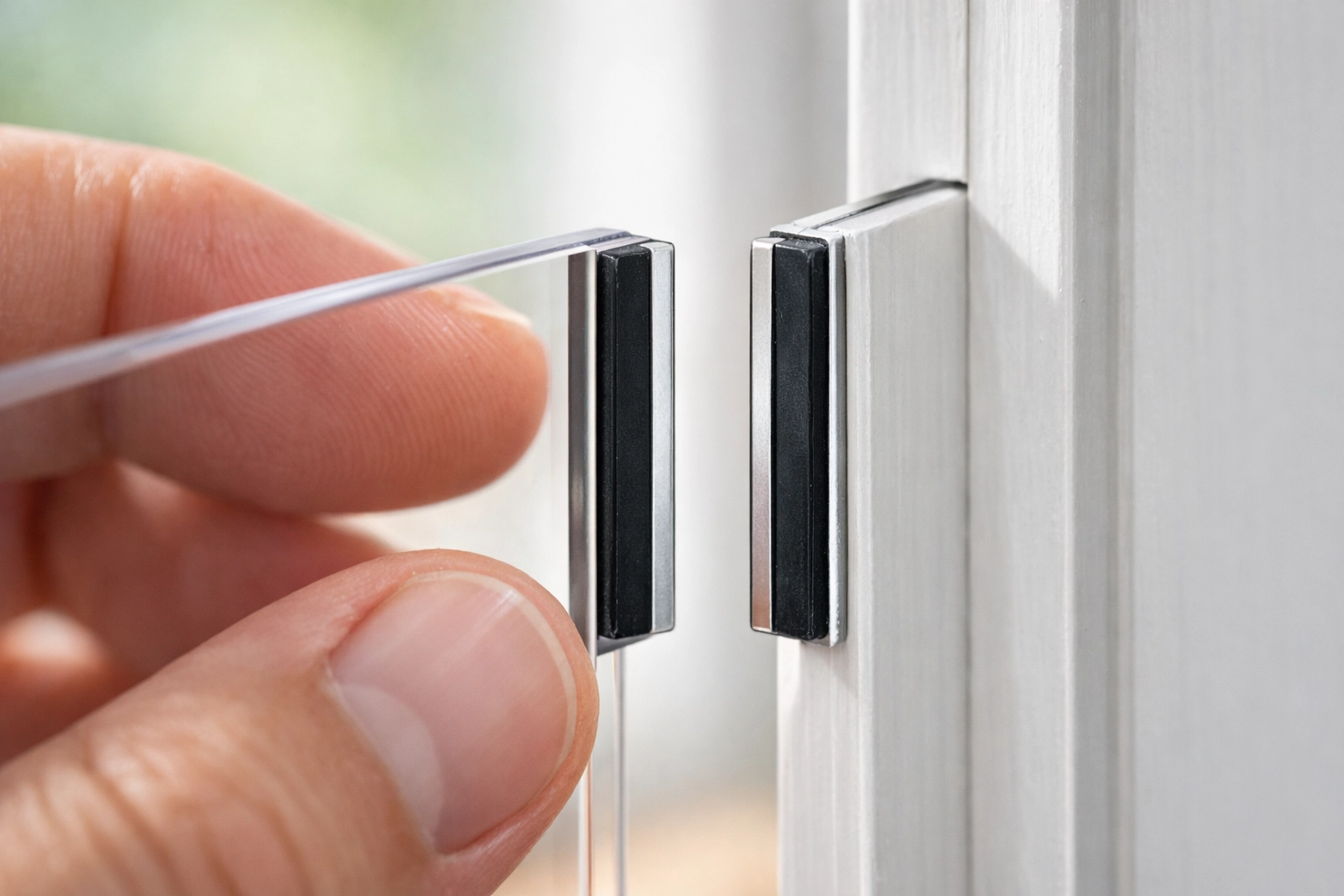
Magnetic secondary glazing is a DIY-friendly system that uses flexible magnetic strips to attach a lightweight plastic sheet (usually acrylic or polycarbonate) to your existing window frame.
The concept is simple:
- You stick a self-adhesive magnetic strip to your window frame.
- You stick a matching magnetic strip to the edges of a clear plastic panel.
- You “click” the panel into place.
Because it relies on magnets rather than screws or heavy frames, it is incredibly discreet. When done right, you barely notice it’s there. It creates a slim air gap between your original window and the new panel, which acts as an insulator against both heat loss and noise.
The Big Benefits: Why Choose the Magnetic Route?
1. It’s a Budget-Friendly Solution
If you’ve spent any time playing with a secondary glazing cost calculator, you’ll know that bespoke, professionally installed units are an investment. Magnetic kits are significantly cheaper. You’re essentially paying for the plastic panels and the magnetic tape, which makes it a great entry-point for anyone trying to lower their energy bills on a tight budget.
2. The Ultimate Renter’s Friend
One of the biggest headaches for renters in London and other UK cities is the inability to make permanent changes to a property. You can’t exactly swap out the landlord’s old sash windows for double glazing. Magnetic secondary glazing is completely reversible. When it’s time to move out, you can simply peel off the magnetic strips, and the window is back to its original state.
3. Lightweight and Discreet
Unlike heavy glass units, the acrylic panels used in magnetic systems are very light. This means they don’t put any strain on old, delicate window frames. Plus, because they are so thin, they don’t interfere with your curtains or blinds.
4. DIY Installation
You don’t need a degree in carpentry to fit these. If you can measure a window and cut a straight line, you can install magnetic secondary glazing. It’s a “measure twice, cut once” kind of job that takes about 20-30 minutes per window.
Thermal Performance: Stopping the Draughts
The primary reason most people look into this style of glazing is to stay warm. Old single-pane windows are notorious for heat loss. Research suggests that even a basic magnetic system can reduce heat loss through a window by roughly 30% to 60%, depending on the quality of the seal.
By creating an airtight seal around the edge of the window, you effectively stop draughts. This is often more important for comfort than the actual insulation value of the panel itself. If you can stop the cold air from entering the room, your heating system doesn’t have to work nearly as hard.

Soundproofing: A Realistic Look at the Numbers
When people search for soundproof secondary glazing, they are often looking for a way to block out sirens, traffic, or late-night foot traffic.
While magnetic secondary glazing does provide some noise reduction: typically around 10 decibels: it isn’t a miracle cure for a noisy street. Because the panels are lightweight (usually 2mm to 4mm thick) and made of plastic, they lack the “mass” required to truly block low-frequency sounds like the rumble of a bus.
If you are dealing with extreme noise, you might find a magnetic solution a bit underwhelming. However, for “soft” noises like the rustling of trees or distant voices, it makes a noticeable difference.
Magnetic vs. Professional: The Comparison
It’s important to have a balanced view before you start sticking magnets to your walls. While the DIY magnetic route is great for many, it’s a different beast compared to a professional installation.
| Feature | Magnetic DIY | Professional (10.8mm Acoustic) |
|---|---|---|
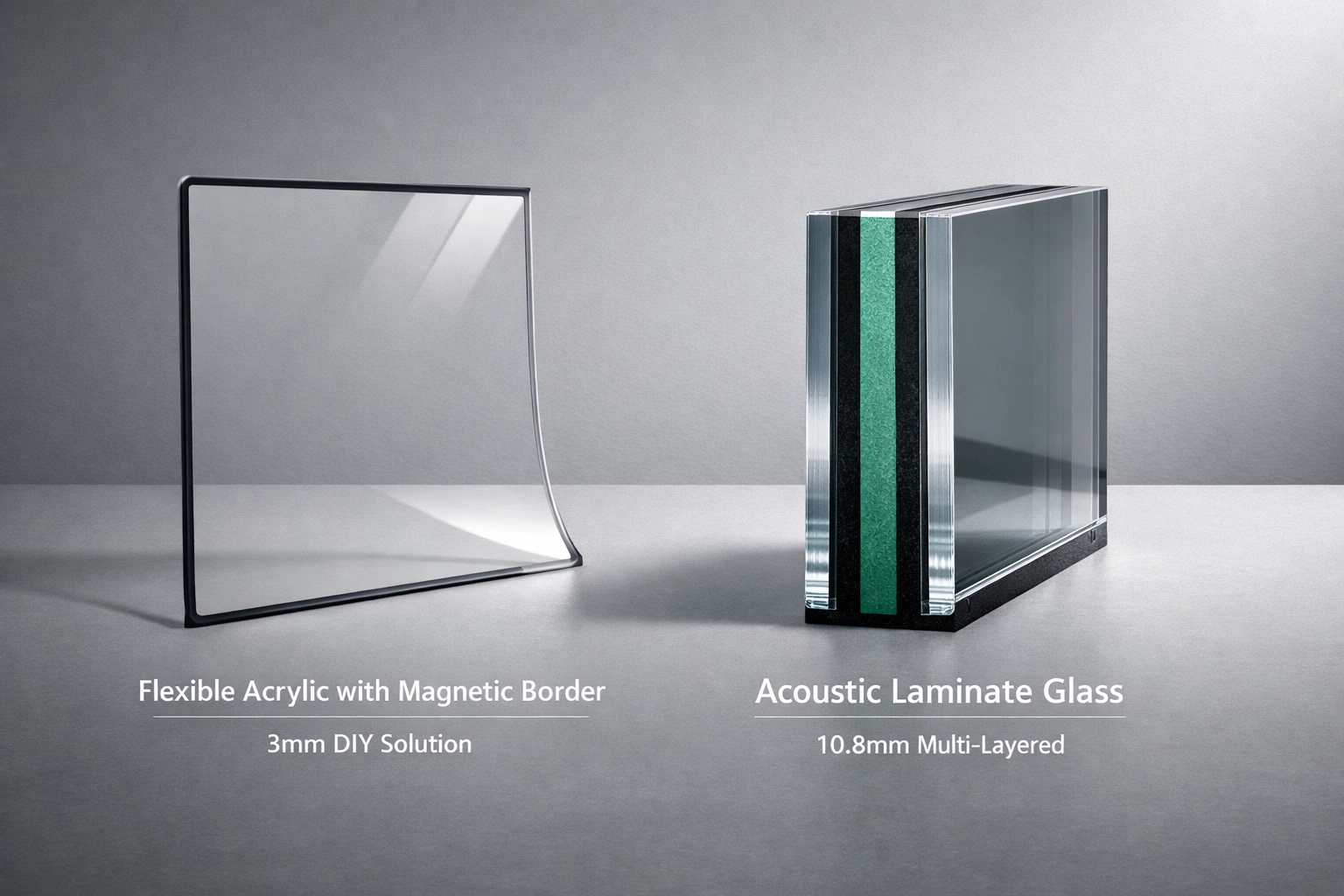
| Material | Acrylic / Polycarbonate | 10.8mm Acoustic Laminate Glass |
| Noise Reduction | Approx 10dB | 40dB - 50dB+ |
| Durability | 2-5 years | 20+ years |
| Installation | DIY | Professional |
| Aesthetics | Visible edges/plastic finish | Seamless aluminium frames |
| Maintenance | May peel or yellow over time | Minimal; easy to clean |
If your main goal is high-end soundproof secondary glazing, a magnetic panel won’t hold a candle to 10.8mm acoustic laminate glass. The professional glass is much denser and is held in a rigid frame that ensures a permanent, high-pressure seal. However, for a quick, low-cost fix to get through a cold winter, the magnetic option is a solid choice.
How to Install Magnetic Secondary Glazing
Ready to give it a go? Here is the basic process:
- Measure the Recess: Measure the flat surface of your window frame where the magnetic tape will sit. Make sure there is enough flat space (usually about 15mm-20mm) for the tape to adhere properly.
- Order Your Panels: You can buy acrylic sheets cut to size online. Make sure to account for the width of the magnetic tape in your measurements.
- Clean the Frame: This is the most important step! Use an alcohol-based cleaner to remove any grease or dust from the window frame. If the surface isn’t clean, the adhesive on the magnetic tape will fail within weeks.
- Apply the Tape: Stick the “A” side of the magnetic tape to the window frame and the “B” side to your acrylic panel.
- Snap into Place: Align the panel and let the magnets do the work.
Common Pitfalls and How to Avoid Them
Even though it’s “easy,” things can go wrong. Here are a few tips to ensure your DIY project lasts:
- The Peeling Magnet: In very cold weather, or if the window frame is slightly damp, the adhesive on the back of the magnet can fail. Always ensure the frame is bone-dry and warm when you apply the tape.
- Condensation: If you trap moisture between the two panes of glass, you’ll get fogging. Try to install the panels on a dry day, and ensure the original window is as clean and dry as possible.
- Cleaning Scratches: Acrylic is much softer than glass. If you wipe it with a rough paper towel, it will scratch. Only use a soft microfibre cloth and specialized acrylic cleaner to keep it looking clear.

When Should You Upgrade?
Magnetic glazing is a fantastic “gateway” into the world of home insulation. Many of our customers start with a DIY kit in one room and realize just how much of a difference secondary glazing makes.
However, you might want to consider a professional permanent solution if:
- You own the home and want to add long-term value.
- The noise levels outside are high enough to disrupt your sleep.
- You want a solution that looks “built-in” rather than an add-on.
- You have large windows where a plastic panel might “bow” or flex.
For a full breakdown of the more permanent styles: like vertical sliders for sash windows, horizontal sliders for wide windows, or hinged units for casements: browse our comprehensive product guides.
The Verdict
Magnetic secondary glazing is a brilliant, low-stakes way to make your home more comfortable. It’s the perfect solution for renters, students, or anyone on a budget who wants to stop their money from literally flying out the window in the form of heat.
While it doesn’t offer the extreme performance of our professional acoustic glass systems, it’s a massive step up from having no protection at all. It’s simple, it’s effective, and it’s something you can tackle this weekend.
If you’re ready to stop the draughts but aren’t quite ready for a full renovation, the magnetic route is waiting for you!


