Secondary Glazing for Listed Buildings: The Complete Guide
You’re a caretaker of history, but that doesn’t mean you have to freeze. Here’s everything you need to know about improving your Grade I or II listed home without angering the council.
By James Whitfield, Conservation Planning Advisor••7 min read
If you live in a Grade I or Grade II listed property, you know the feeling. You love the character, the original timber beams, and those beautiful, historic windows. But when winter hits, you also know the feeling of a draft that seems to cut right through your living room, no matter how high you turn up the thermostat.
Owning a piece of history comes with a catch: you’re essentially a caretaker of the past. That means when it comes to home improvements, you can’t just do whatever you want. If you’ve ever looked into replacing those rattly single-glazed windows with modern double glazing, you’ve likely hit a brick wall with your local council or conservation officer.
The good news? You don’t have to spend another winter shivering in a woolly jumper. Secondary glazing for listed buildings is the “secret weapon” that lets you stay warm, slash your energy bills, and keep the heritage look of your home completely intact.
In this guide, we’re going to break down why secondary glazing is the preferred choice for historic homes, how it works with planning laws, and why it’s a much smarter investment than trying to force through a double-glazing application.
The Struggle: Why Listed Buildings Are So Hard to Heat
Most listed buildings in the UK were built long before anyone cared about “U-values” or thermal envelopes. They were built for aesthetics and longevity, featuring thin, single-pane glass held in place by delicate timber or metal frames.
While beautiful, these windows are notorious for:
Heat Loss: Single glazing is about as effective at holding heat as a colander is at holding water.
Draughts: Centuries of movement in the building’s structure mean those windows rarely seal tightly anymore.
Condensation: Cold glass meets warm indoor air, leading to puddles on your sills and, eventually, timber rot.
In a standard house, you’d just swap them for uPVC double glazing and be done with it. But in a listed building, that’s a legal no-go. Changing the exterior appearance or removing original fabric is usually forbidden, which leaves many homeowners feeling stuck in the cold.
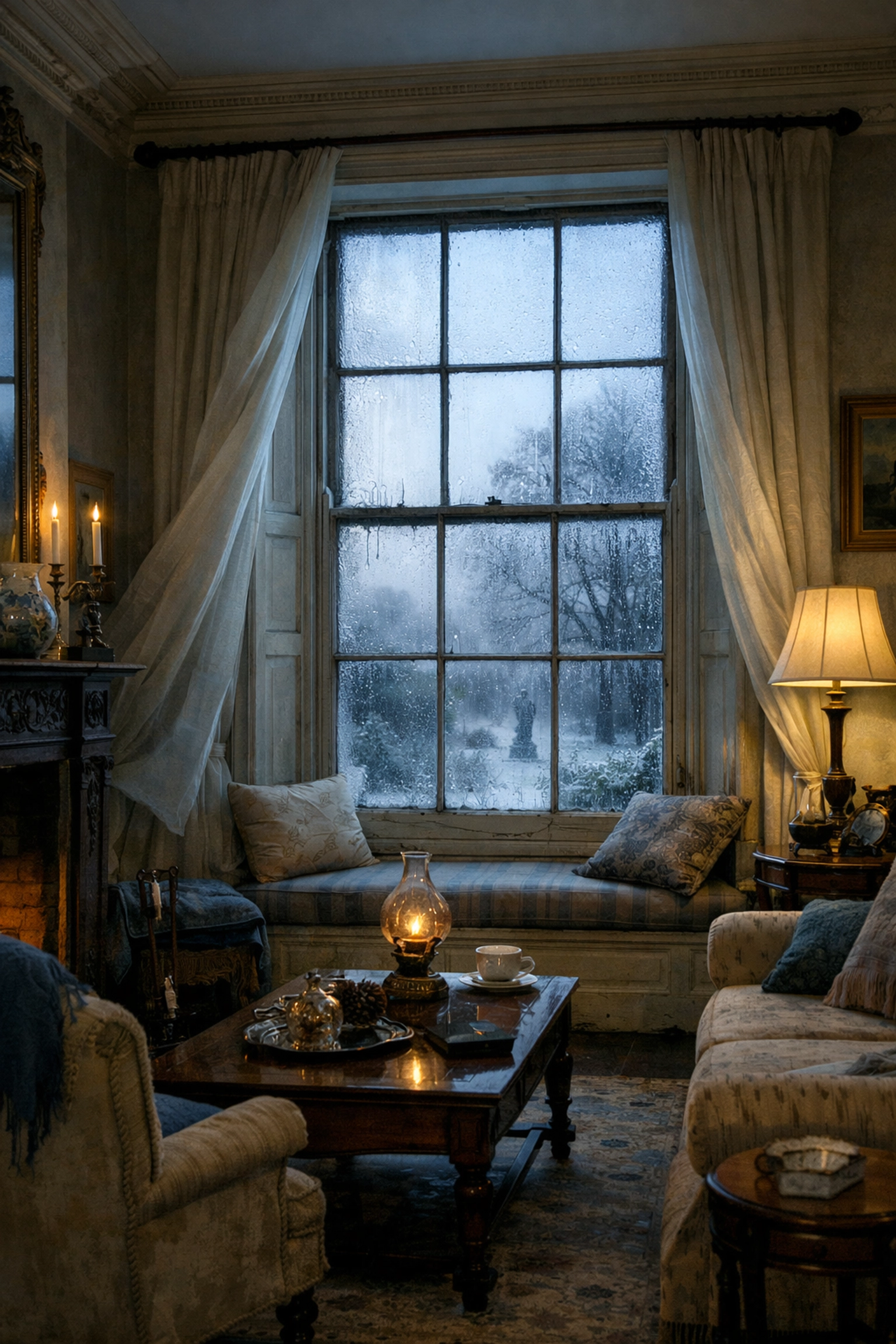
Original Georgian sash windows — beautiful but notorious for heat loss and condensation.
Planning Permission vs. Listed Building Consent: What’s the Deal?
This is where things get a bit technical, but bear with me: it’s important. There is a common misconception that you need full planning permission for everything in a listed home.
When it comes to secondary glazing for listed buildin
For expert secondary glazing advice and free consultations for listed buildings in London, contact Secondary Glazing Specialist on 020 7060 1572.
Heritage Preservation7 min readEst. £8,000 – £30,000
Secondary Glazing for Listed Buildings: The Complete Guide
J
James Whitfield
Conservation Planning Advisor
If you live in a Grade I or Grade II listed property, you know the feeling. You love the character, the original timber beams, and those beautiful, historic windows. But when winter hits, you also know the feeling of a draft that seems to cut right through your living room, no matter how high you turn up the thermostat.
Owning a piece of history comes with a catch: you’re essentially a caretaker of the past. That means when it comes to home improvements, you can’t just do whatever you want. If you’ve ever looked into replacing those rattly single-glazed windows with modern double glazing, you’ve likely hit a brick wall with your local council or conservation officer.
The good news? You don’t have to spend another winter shivering in a woolly jumper. Secondary glazing for listed buildings is the “secret weapon” that lets you stay warm, slash your energy bills, and keep the heritage look of your home completely intact.
In this guide, we’re going to break down why secondary glazing is the preferred choice for historic homes, how it works with planning laws, and why it’s a much smarter investment than trying to force through a double-glazing application.
The Struggle: Why Listed Buildings Are So Hard to Heat
Most listed buildings in the UK were built long before anyone cared about “U-values” or thermal envelopes. They were built for aesthetics and longevity, featuring thin, single-pane glass held in place by delicate timber or metal frames.
While beautiful, these windows are notorious for:
Heat Loss: Single glazing is about as effective at holding heat as a colander is at holding water.
Draughts: Centuries of movement in the building’s structure mean those windows rarely seal tightly anymore.
Condensation: Cold glass meets warm indoor air, leading to puddles on your sills and, eventually, timber rot.
In a standard house, you’d just swap them for uPVC double glazing and be done with it. But in a listed building, that’s a legal no-go. Changing the exterior appearance or removing original fabric is usually forbidden, which leaves many homeowners feeling stuck in the cold.
Original Georgian sash windows — beautiful but notorious for heat loss and condensation.
Planning Permission vs. Listed Building Consent: What’s the Deal?
This is where things get a bit technical, but bear with me: it’s important. There is a common misconception that you need full planning permission for everything in a listed home.
When it comes to secondary glazing for listed buildings, here is the breakdown:
Planning Permission: Generally, you do not need planning permission for secondary glazing. Why? Because it’s an internal alteration. It doesn’t change the outside of the building, so it doesn’t fall under the same rules as an extension or a change of window frames.
Listed Building Consent (LBC): This is the one you need to watch. LBC is required for any work that affects the character of a listed building. Because secondary glazing is installed on the inside and is fully reversible, most local councils and Historic England are very supportive of it.
Historic England explicitly states that secondary glazing is often the best way to improve energy efficiency in heritage homes because it allows the original windows to stay exactly where they are. If you ever wanted to remove the secondary glazing in 20 years, you could do so without leaving a trace on the original structure. That “reversibility” is the key to getting the green light from conservation officers. For the full strategic breakdown, see our article on the Listed Building Loophole.
Why Secondary Glazing Beats Double Glazing Every Time (For Heritage Homes)
If you’re debating between fighting for double glazing or choosing secondary, here are five reasons why secondary wins:
1. It’s Discreet (The “Slimline” Advantage)
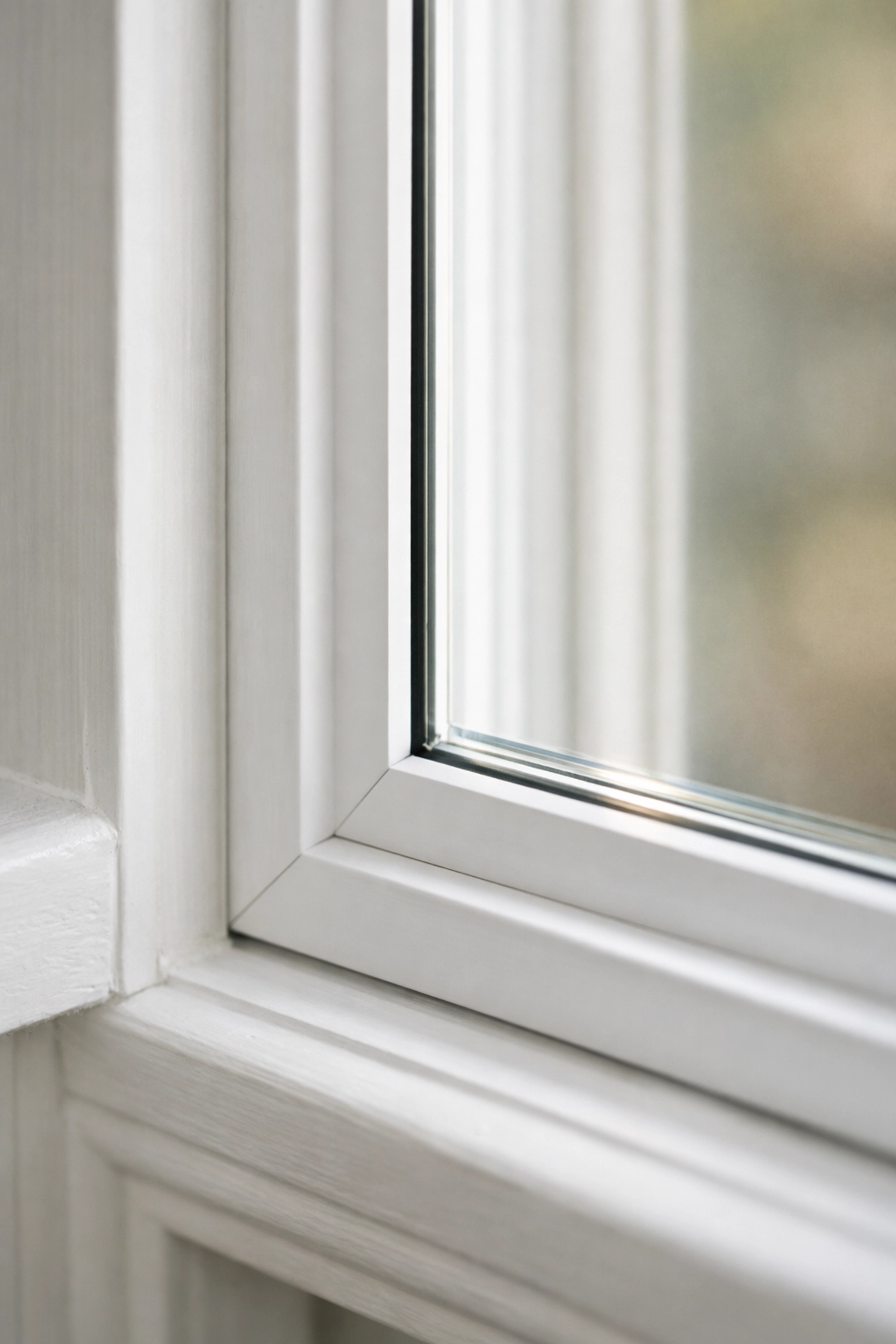
Modern secondary glazing uses incredibly slim aluminium frames. When installed correctly, they align perfectly with your existing window bars. From the street, they are virtually invisible. This is exactly what conservation officers want to hear. If you want to see the different types available, check out our guides on vertical sliders, horizontal sliders, and hinged units.
2. Massive Thermal Efficiency
A single-glazed window has a U-value (a measure of heat loss) of around 4.7. By adding secondary glazing with low-emissivity (Low-E) glass, you can drop that number to around 1.8 or 1.9. That is a massive jump in warmth. You’re essentially creating a pocket of still air between the two panes, which acts as a powerful insulator.
3. Acoustic Peace and Quiet
If you’re looking for secondary glazing in London, the noise reduction is often the biggest selling point. Because there is a larger gap between the original window and the secondary unit (compared to the tiny gap in standard double glazing), it is far better at stopping street noise, sirens, and traffic. For the full acoustic science, see our article on why 10.8mm acoustic laminate is the gold standard.
4. No More Condensation
By sealing off the inner face of the window, you prevent warm, moist air from hitting the cold outer glass. This stops the “crying window” effect that ruins many historic timber sills.
5. Cost-Effectiveness
Replacing bespoke sash windows in a listed building can cost a fortune: and that’s if you’re even allowed to do it. Secondary glazing is a fraction of the cost. For a full cost comparison, see our article on why secondary glazing beats replacing sash windows.
Slimline aluminium frames — virtually invisible from the street, powerful from the inside.
Achieving Energy Efficient Windows in Listed Buildings
When we talk about energy efficient windows for listed buildings, we aren’t just talking about saving a few pounds on your gas bill (though that’s a nice bonus). We’re talking about making the home liveable.
Many people find that they stop using certain rooms in the winter because they are simply too cold. Secondary glazing “reclaims” those rooms.
To get the best results, we recommend:
Low-E Glass: This has a special coating that reflects heat back into the room.
Professional Seals: The frame must be airtight to prevent draughts from bypassing the glass.
Optimal Air Gap: A gap of about 60mm to 100mm is the “sweet spot” for both heat and noise insulation.
One of the biggest worries for owners of heritage homes is the “mess.” You don’t want builders hacking away at your 200-year-old plasterwork.
The beauty of secondary glazing is that it’s a “clean” install. The units are pre-manufactured to the exact millimetre of your window reveal. They are then screwed into the window surround (not the original frame) and sealed. Most installations take less than a day per room, and there’s no need for scaffolding or major construction work.
Because the frames are so slim, they don’t interfere with your curtains, shutters, or blinds. If you have original internal shutters that still work, we can usually design the secondary glazing to sit within the reveal so the shutters can still close perfectly.
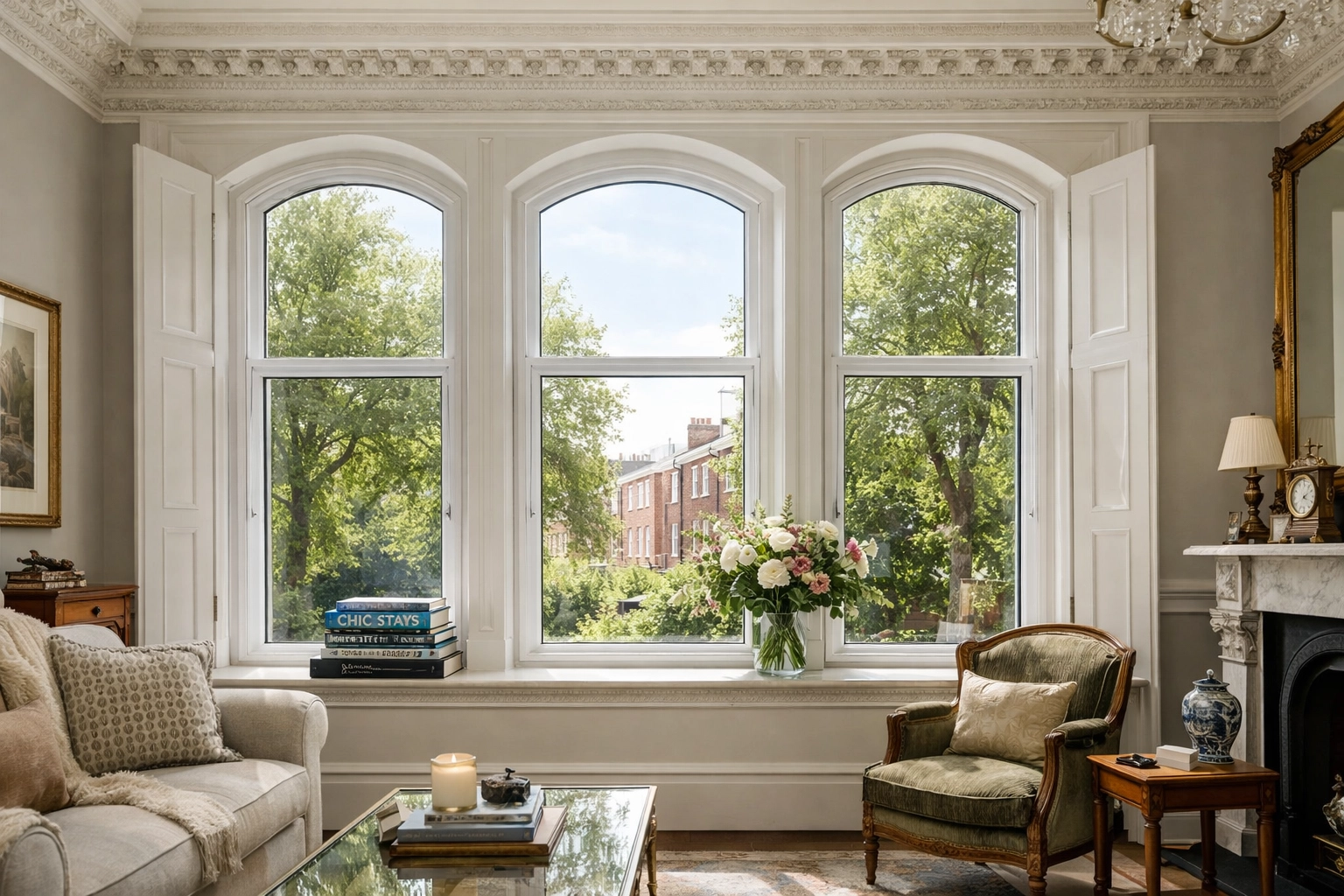
Clean installation in a period drawing room — no scaffolding, no structural work, no mess.
Dealing with the Council: A Quick Tip
While secondary glazing is generally accepted, it’s always a good idea to have a quick chat with your local conservation officer before you pull the trigger.
Most officers are happy to see homeowners taking care of their properties. If you show them a spec sheet for a “slimline, reversible aluminium system,” they are much more likely to give the nod than if you were asking to rip out the windows entirely. We often provide our customers with technical drawings to help with this process. For more detailed guidance on working with local authorities, see our article on navigating conservation area planning approval.
Is It Worth It?
If you plan on living in your listed home for more than a couple of years, the answer is a resounding yes. You’ll save money on heating, your home will be quieter, and you’ll be protecting the original fabric of the building from damp and rot.
Living in a historic home shouldn’t mean living in a cold one. Secondary glazing for listed buildings provides a modern solution to an age-old problem, keeping the heritage we love while adding the comfort we need.
If you’re tired of the draughts and the high energy bills, we’re here to help. At Secondary Glazing Specialist, we understand the unique challenges of working with heritage properties. We know the rules, we know the tech, and we know how to make your windows perform like modern units without losing their soul.
Don’t let another winter pass by in the cold — your listed building deserves to be warm!
For Listed Property Owners
Get a Free Secondary Glazing Quote
London's leading secondary glazing specialists for Grade I, Grade II, and Conservation Area properties. Every project begins with a complimentary heritage survey.