Secondary Glazing for Crittall Windows: Keeping Your Art Deco Cool Without the Chill
Penny Hargreaves
Heritage Acoustics Writer

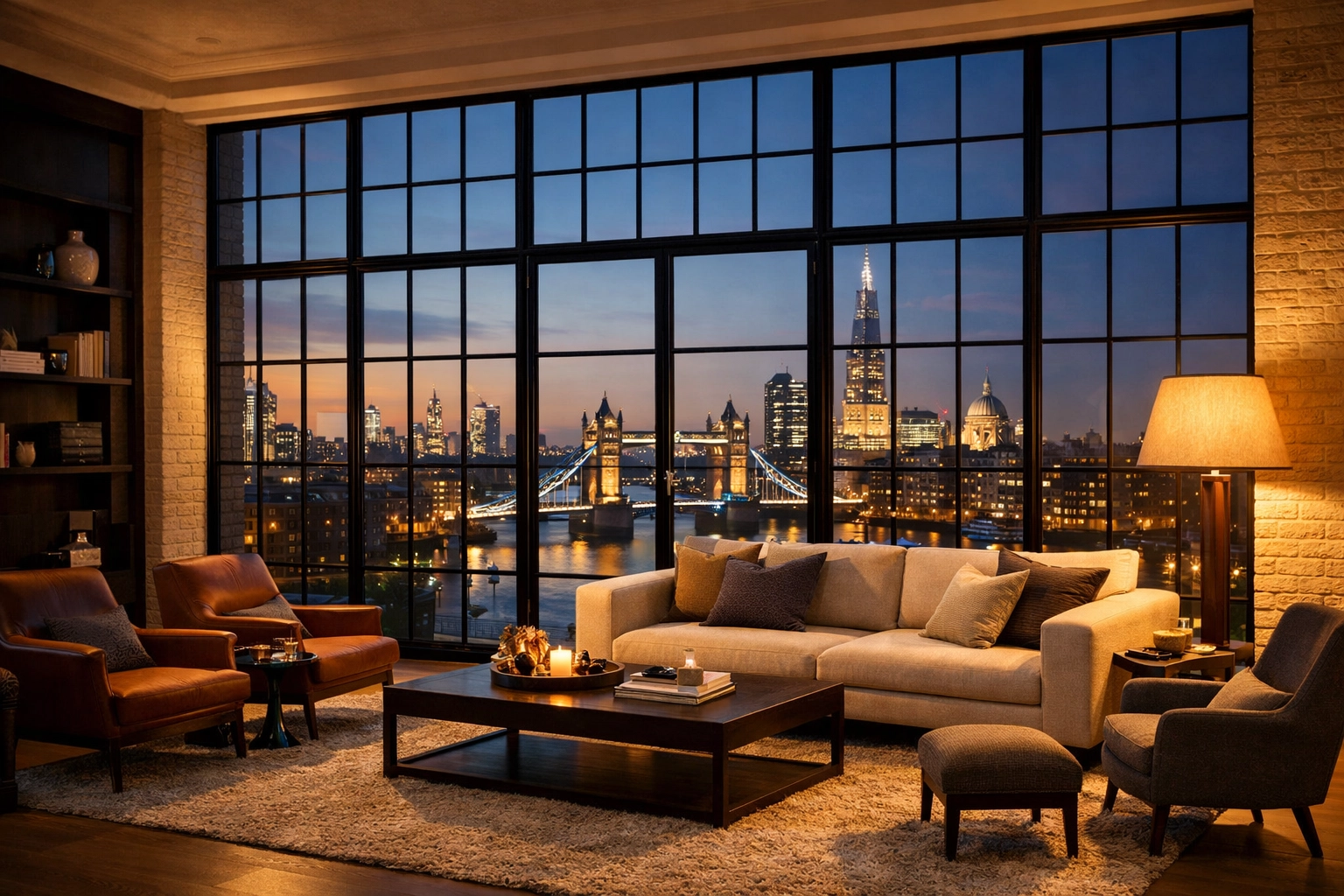
If you’re lucky enough to live in one of London’s iconic Art Deco apartments, a converted industrial warehouse, or a classic heritage property, you probably have a bit of a love-hate relationship with your windows.
We’re talking about Crittall windows. Those slim, black, steel-framed beauties are the gold standard of architectural style. They look incredible, they let in heaps of light, and they give your home that authentic “London” character that everyone wants.
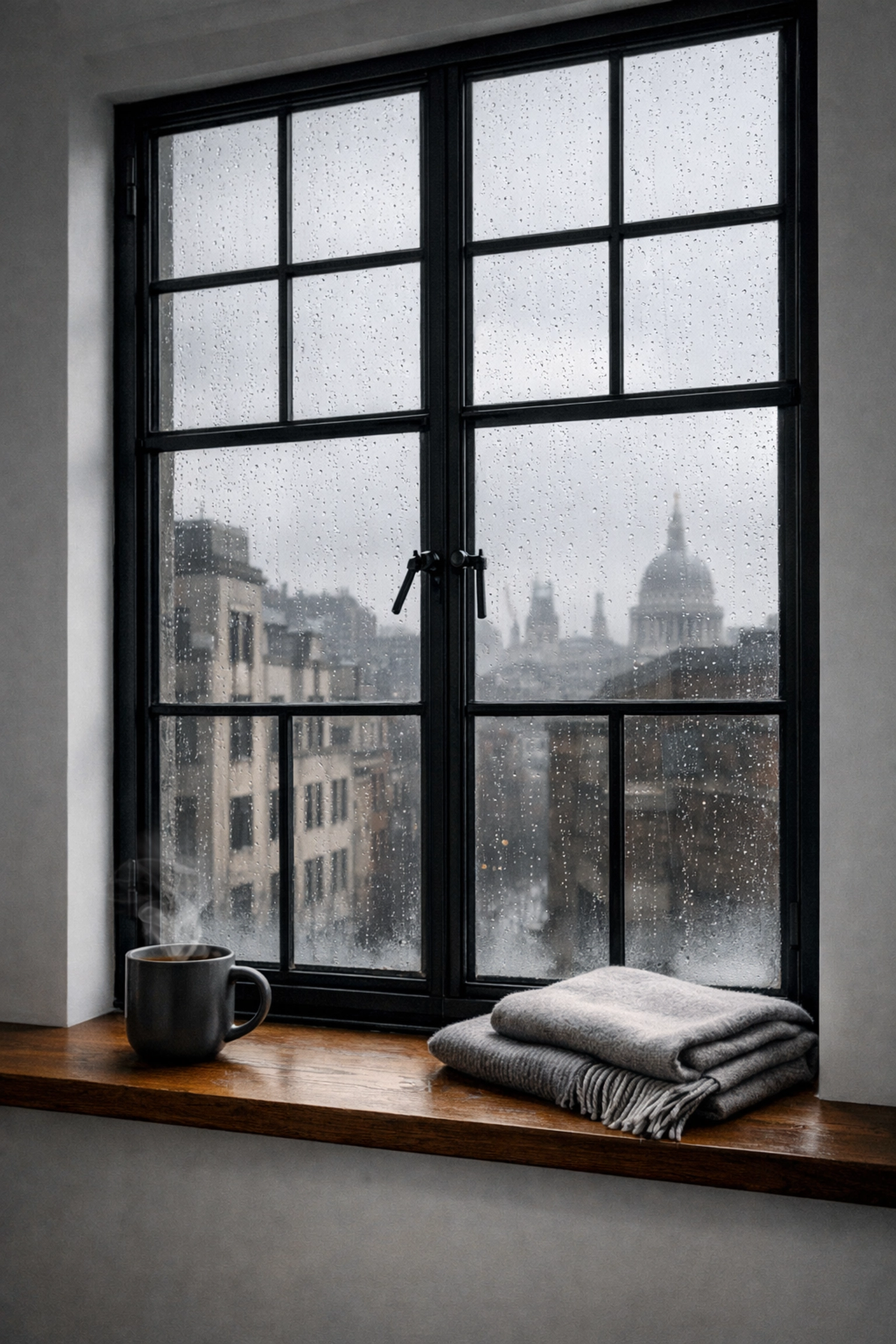
But let’s be real for a second. As much as we love the look, living with original single-glazed steel windows can feel a bit like living in a stylish fridge. They’re drafty, they’re loud, and they seem to have a personal mission to turn your expensive heating into a gift for the outdoor air.
So, what’s the fix? You don’t want to rip them out, that would be a crime against architecture (and probably against your local planning office). The answer is Secondary Glazing.
In this guide, we’re going to dive into why secondary glazing is the absolute best friend for your Crittall windows, how it can slash your energy bills, and how to keep that slim Art Deco look perfectly intact.
Why Crittall Windows are Special (And Why They’re a Pain)
Crittall windows have been around since the mid-19th century, but they really hit their stride in the 1920s and 30s. Their secret sauce is the strength of the steel. Because steel is so strong, the frames can be incredibly thin, allowing for those massive “walls of glass” and elegant geometric patterns.
However, steel is also a fantastic conductor of heat. In the winter, the cold from outside travels right through the frame and the thin single pane of glass. This leads to three big problems:
- The Chill: You’ll feel a cold “sink” whenever you sit near the window.
- The Noise: Single-pane glass does almost nothing to stop the sound of the Red Bus or the Uber driver outside.
- The Damp: Condensation loves cold steel. It sits on the frame, drips onto your woodwork, and can lead to mould.
The Secondary Glazing Solution: Style Meets Performance
The beauty of secondary glazing is that it’s an internal addition. We’re not touching your original windows. We’re simply adding a high-performance second layer on the inside.
For Crittall owners, the biggest worry is usually: “Is it going to look bulky and ruin the lines of my windows?”
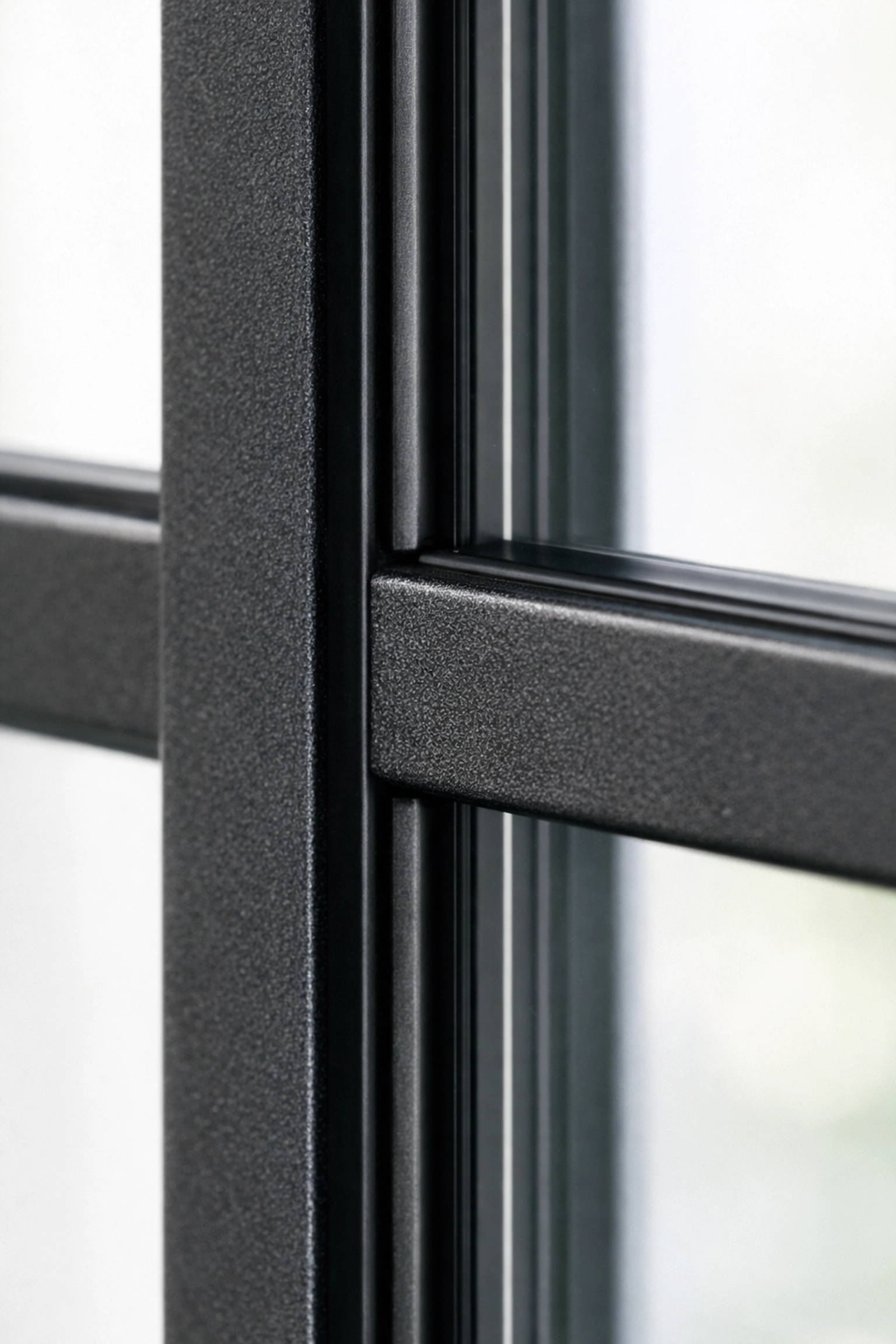
The short answer is: No. Modern secondary glazing is designed to be “virtually invisible.” We use slimline aluminium frames that can be powder-coated to perfectly match the “Crittall Black” or any other colour of your original frames. When aligned correctly, the secondary unit disappears behind the original bars.
Thermal Performance: From “Fridge” to “Toasty”
Let’s talk numbers for a minute, but keep it simple. In the world of windows, we measure heat loss using something called a U-value. The lower the number, the better the window is at keeping heat in. For a deep dive into the science, see our guide on understanding U-values.
- Original Single-Glazed Crittall: Typically has a U-value of around 5.8. (That’s... not great).
- Secondary Glazing Added: Can bring that number down to roughly 1.4.
That is a massive jump in performance. By adding that extra layer and creating an insulating air gap between the two panes, you’re effectively making your 1930s windows perform as well as modern double glazing, all without losing the heritage charm.
Silencing the London Streets
If you live in a busy part of London, the noise is probably even more annoying than the cold. Steel windows are notorious for letting in high-frequency sounds, sirens, chatter, and traffic rumble. For a full breakdown of urban noise challenges, see our guide on silencing London’s unique noise problem.
Because we leave a gap between the original window and the secondary unit (usually about 100mm to 150mm), we create a “buffer zone” that traps sound waves.
To really level up your peace and quiet, we recommend using 10.8mm Acoustic Glass. This isn’t your standard hardware store glass; it’s a laminate that’s specifically engineered to dampen vibrations. When paired with your original Crittall frames, it can reduce external noise by up to 80%. It’s the difference between hearing a bus in your living room and feeling like you’re in a library.

Choosing the Right Style for Your Frames
Not all secondary glazing is the same. To keep your home looking sharp, you need to match the “opening style” of your secondary units to your original windows. For Crittall windows, there are usually two winners:
1. Horizontal Sliders
If you have large, multi-pane windows that span across a room, Horizontal Sliders are your best bet. The panels slide smoothly on tracks, allowing you to access your original windows for cleaning or fresh air. We make sure the vertical bars of the slider line up exactly with the vertical bars of your Crittall frames.
2. Hinged Units
For those iconic Crittall casement windows (the ones that swing open), Hinged units are perfect. These open just like a normal window or can even “tilt and turn.” Because there are no bars across the middle of the glass, they provide a totally clear view, making them the most “invisible” option for smaller openings.
Why Not Just Replace the Windows?
We get asked this a lot. “Wouldn’t it be easier to just buy new double-glazed steel windows?”
There are three big reasons why secondary glazing is usually the smarter move:
1. The Cost
Replacing original steel frames with modern double-glazed steel equivalents is incredibly expensive. We’re talking anywhere from £12,000 to £20,000 for a standard home. Secondary glazing provides the same (or better) thermal and acoustic benefits for a fraction of that price. For a detailed cost comparison, see our article on why secondary glazing beats replacement.
2. Planning Permission
If you live in a listed building or a conservation area in London (like parts of Chelsea, Hampstead, or Hackney), the council will often say “No” to replacement windows. They want to keep the historical fabric of the building. Because secondary glazing is a “reversible” internal change, it’s almost always approved and rarely requires complex planning permission. For the full strategy, see our guide on the Listed Building Loophole.
3. Better Soundproofing
Believe it or not, secondary glazing actually beats double glazing when it comes to noise. Double-glazed units have a very small gap between the glass panes. Secondary glazing has a much larger gap, which is far more effective at stopping sound. For a head-to-head comparison, see secondary glazing vs double glazing for traffic noise.
Dealing with the “Condensation Myth”
Some people worry that adding a second layer of glass will trap moisture and cause even more condensation. It’s actually the opposite!
Condensation happens when warm, moist air in your house hits a cold surface (like your single-pane steel window). By adding secondary glazing, the inner pane of glass stays much warmer because it’s insulated from the outside cold. This means the moisture in the air doesn’t turn into water droplets.
We also include tiny, discreet vents or “trickle” airflow to ensure the cavity stays dry, protecting your original steel frames from rust and rot.
Is Your Home Ready for a Winter Upgrade?
If you’re tired of wearing three jumpers in your own living room or you’re fed up with being woken up by the 5 AM bin lorry, it’s time to look at your windows.
Crittall windows are an architectural treasure. They deserve to be preserved, not replaced. With the right secondary glazing, you can keep the “industrial cool” aesthetic while enjoying a home that is warm, quiet, and energy-efficient.
At Secondary Glazing Specialist, we’ve helped hundreds of London homeowners reclaim their comfort. Whether you need the heavy-duty silence of 10.8mm Acoustic Glass or a sleek set of Horizontal Sliders to match your Art Deco frames, we’ve got you covered.