Silencing the City: How Secondary Glazing Tackles London’s Unique Noise Problem
London hits 86dB regularly — the safe threshold is 53dB. Here’s the physics of the 100mm air gap and why secondary glazing outperforms double glazing for urban noise.
By Penny Hargreaves, Heritage Acoustics Writer••7 min read
London is a city that never sleeps, but if you live anywhere near the North Circular, a busy bus route in Camden, or under the Heathrow flight path, you probably wish it would.
The “Big Smoke” is famously the “Big Loud.” A recent UN report actually named London as one of the noisiest cities in Europe. We’re talking about noise levels hitting 86dB on a regular basis. To put that in perspective, the safe threshold for long-term exposure is around 53dB. When you’re trying to enjoy a morning coffee in Southwark or get a decent night’s sleep in Hackney, those extra 30 decibels feel like a pneumatic drill in your living room.
If you’ve reached your breaking point with the sirens, the low-frequency rumble of the Number 38 bus, and the general “hum” of eight million people, you’ve probably looked at your windows and sighed. You might even have double glazing already and wondered: Why can I still hear everything?
The answer lies in physics, and the solution lies in soundproof secondary glazing. Let’s get technical about how we can finally turn the volume down on the city.
The London Noise Problem: It’s Not Just “Loud”
London noise isn’t just one thing. It’s a cocktail of different frequencies that attack your home in different ways.
High-Frequency Noise: These are the “sharp” sounds: sirens, whistling wind, or people shouting outside a pub at 2 AM. Standard glass is actually okay at blocking some of this, but any tiny gap in your window seal lets it through like a laser beam.
Low-Frequency Rumble: This is the real enemy. The heavy thud of a diesel engine, the vibrations from the Tube running underground, or the roar of a plane overhead. Low-frequency sound waves are long and powerful. They don’t just travel through the air; they vibrate the glass itself.
The London soundscape — a relentless cocktail of high-frequency sirens and low-frequency rumble.
Why Standard Double Glazing Often Fails for Noise
A common misconception is that “double glazing = soundproofing.” If you’re replacing old, draughty single-pane windows with modern double glazing, you will definitely notice an improvement. However, if you live on a truly busy London street, you might be disappointed.
Standard double glazing usually features two panes of 4mm glass with a small gap (usually 16mm to 20mm) filled with argon gas. This is fantastic for keeping the heat in (thermal insulation), but for sound? Not so much.
Because the two panes of glass are the same
For expert secondary glazing advice and free consultations for listed buildings in London, contact Secondary Glazing Specialist on 020 7060 1572.
London Living7 min readEst. £4,000 – £18,000
Silencing the City: How Secondary Glazing Tackles London’s Unique Noise Problem
P
Penny Hargreaves
Heritage Acoustics Writer
London is a city that never sleeps, but if you live anywhere near the North Circular, a busy bus route in Camden, or under the Heathrow flight path, you probably wish it would.
The “Big Smoke” is famously the “Big Loud.” A recent UN report actually named London as one of the noisiest cities in Europe. We’re talking about noise levels hitting 86dB on a regular basis. To put that in perspective, the safe threshold for long-term exposure is around 53dB. When you’re trying to enjoy a morning coffee in Southwark or get a decent night’s sleep in Hackney, those extra 30 decibels feel like a pneumatic drill in your living room.
If you’ve reached your breaking point with the sirens, the low-frequency rumble of the Number 38 bus, and the general “hum” of eight million people, you’ve probably looked at your windows and sighed. You might even have double glazing already and wondered: Why can I still hear everything?
The answer lies in physics, and the solution lies in soundproof secondary glazing. Let’s get technical about how we can finally turn the volume down on the city.
The London Noise Problem: It’s Not Just “Loud”
London noise isn’t just one thing. It’s a cocktail of different frequencies that attack your home in different ways.
High-Frequency Noise: These are the “sharp” sounds: sirens, whistling wind, or people shouting outside a pub at 2 AM. Standard glass is actually okay at blocking some of this, but any tiny gap in your window seal lets it through like a laser beam.
Low-Frequency Rumble: This is the real enemy. The heavy thud of a diesel engine, the vibrations from the Tube running underground, or the roar of a plane overhead. Low-frequency sound waves are long and powerful. They don’t just travel through the air; they vibrate the glass itself.
The London soundscape — a relentless cocktail of high-frequency sirens and low-frequency rumble.
Why Standard Double Glazing Often Fails for Noise
A common misconception is that “double glazing = soundproofing.” If you’re replacing old, draughty single-pane windows with modern double glazing, you will definitely notice an improvement. However, if you live on a truly busy London street, you might be disappointed.
Standard double glazing usually features two panes of 4mm glass with a small gap (usually 16mm to 20mm) filled with argon gas. This is fantastic for keeping the heat in (thermal insulation), but for sound? Not so much.
Because the two panes of glass are the same thickness and are very close together, they can actually vibrate in sympathy with each other. This is called the “resonance effect.” Instead of stopping the sound, the unit can sometimes act like a drum, passing the vibration from the outside world directly into your bedroom. For a detailed comparison, see our guide on secondary glazing vs double glazing for traffic noise.
The Secret Ingredient: The 100mm+ Air Gap
This is where soundproof secondary glazing becomes the undisputed heavyweight champion of peace and quiet.
When we install secondary glazing, we aren’t replacing your existing window. We are adding a completely independent internal window. The “magic” happens in the space between the two.
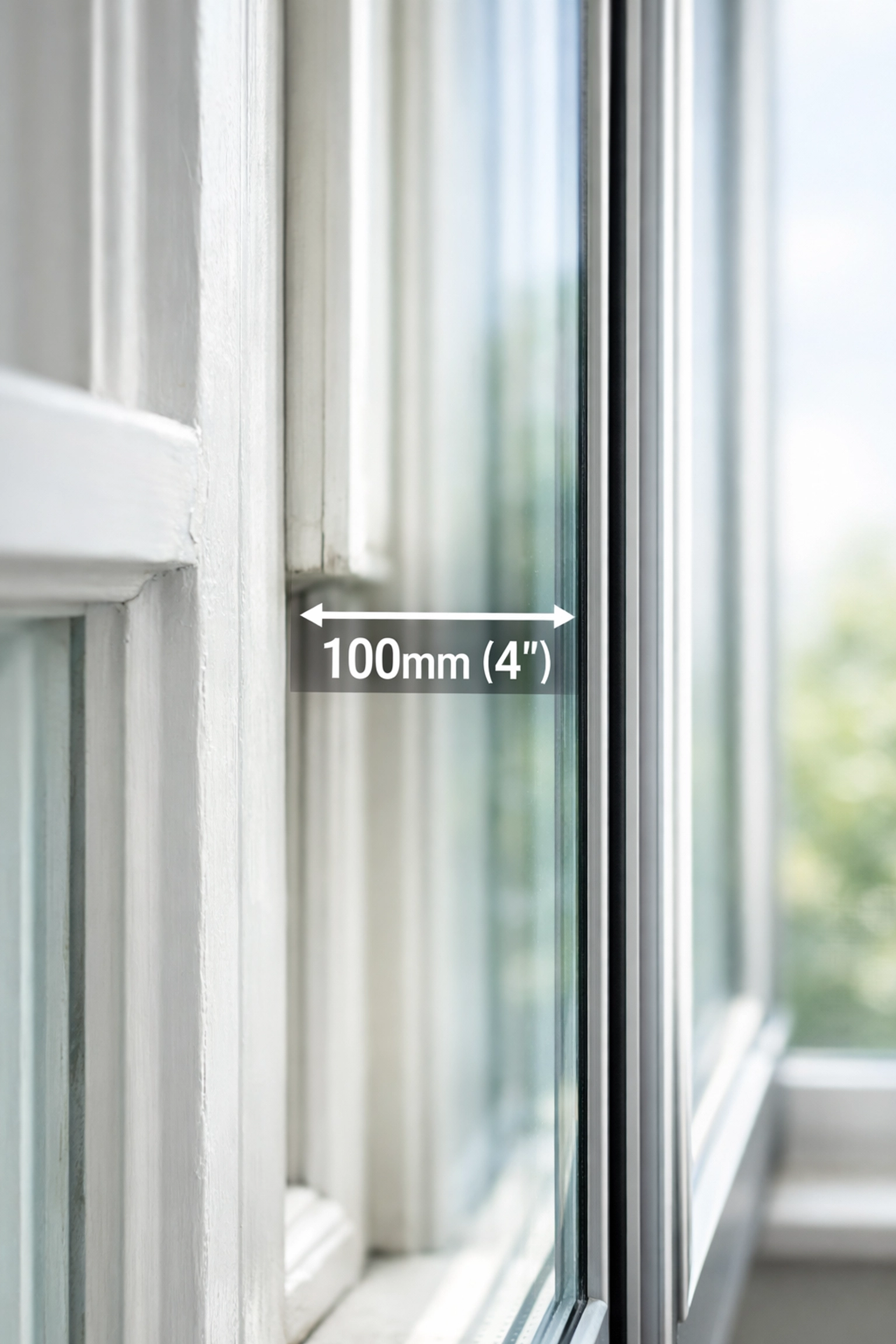
To effectively kill noise: especially that deep, low-frequency London rumble: you need a significant air gap. We recommend a gap of at least 100mm (about 4 inches) between your existing window and the secondary unit.
This large air gap acts as a buffer zone. It “decouples” the inner window from the outer window. By the time the sound waves have struggled through your primary window and travelled across that 100mm cushion of air, they’ve lost most of their energy. They simply don’t have enough “oomph” left to vibrate the secondary pane of glass.
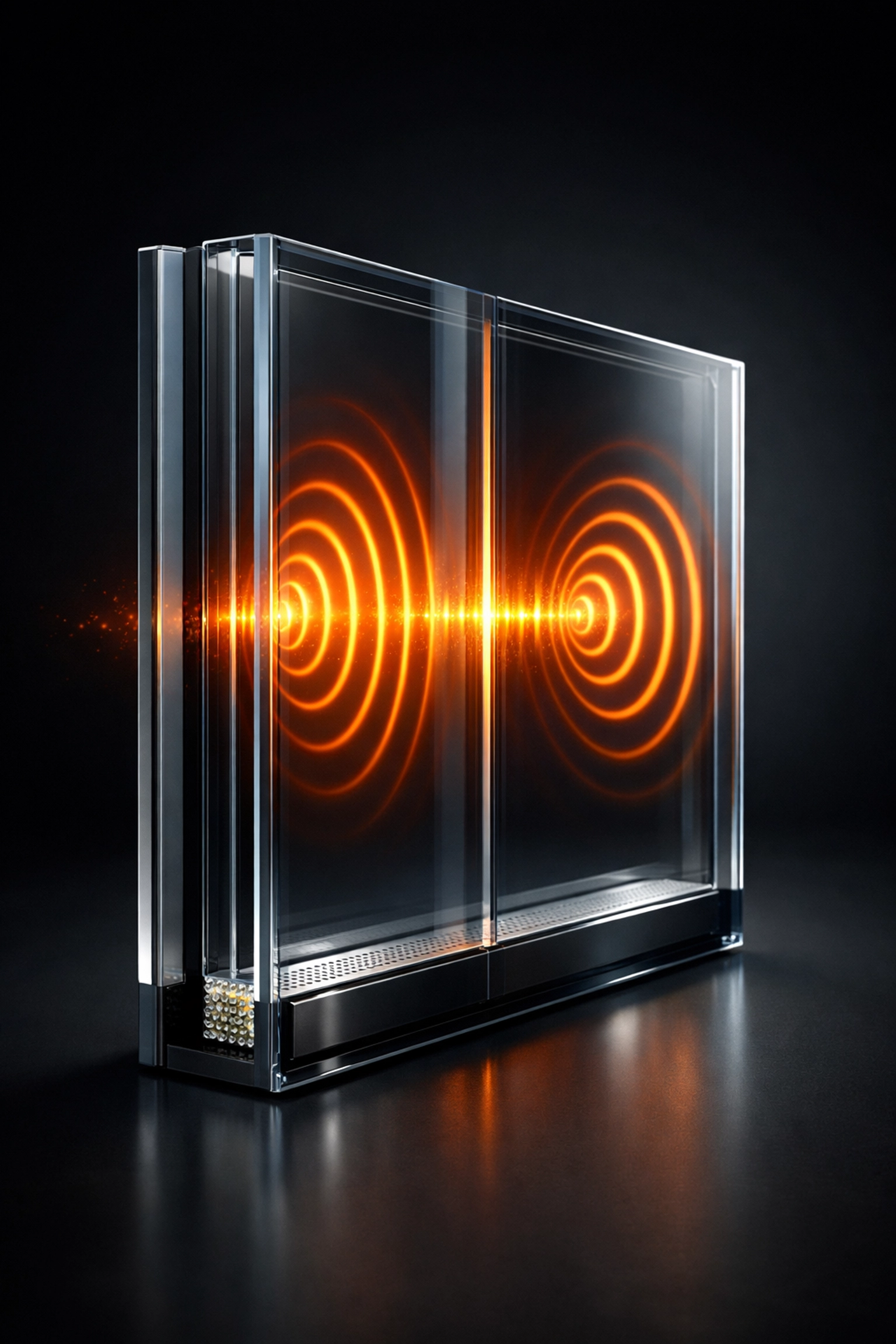
The resonance effect in standard double glazing — why a 16mm gap isn’t enough.
The Glass Matters: 10.8mm Acoustic Laminate
The air gap is the engine, but the glass is the shield. If you really want to silence the city, you shouldn’t just use standard glass.
In our most demanding London projects: think flats overlooking the tracks at Clapham Junction or houses on the A2: we often use 10.8mm Acoustic Glass.
Why 10.8mm? It’s all about the “Laminate.” This isn’t just a thick piece of glass. It’s a “sandwich” of two pieces of glass bonded together with a special acoustic interlayer (usually Polyvinyl Butyral or PVB). This interlayer is damp and heavy, specifically designed to absorb sound energy rather than let it pass through.
If you want to dive deep into how different glass types affect your home, check out our comprehensive guide on why 10.8mm acoustic laminate is the gold standard. It’s the definitive reference for anyone serious about soundproofing.
Case Study: Reclaiming a Bedroom in Camden
Let’s look at a “real world” London scenario. We recently worked with a homeowner in Camden whose bedroom window faced a busy intersection. The noise levels during the day were hovering around 75dB, and even at night, the “background” city noise never dropped below 50dB. They had modern double glazing, but the sirens and the heavy bus vibrations were still waking them up.
The result? The noise levels dropped by over 45 decibels. A 10dB drop is perceived by the human ear as a halving of the noise. A 40dB+ drop effectively takes a “loud street” and turns it into a “quiet library.”
For the first time in years, the customer could sleep through the night without hearing the 4 AM refuse collection.
The 100mm+ air gap in action — sound waves lose their energy before reaching the secondary pane.
Why Secondary Glazing is the “London Choice”
Beyond the technical performance, there are three practical reasons why secondary glazing is the go-to fix for Londoners:
1. Conservation Areas and Listed Buildings
London is full of beautiful heritage properties. If you live in a Grade II listed building or a conservation area in Kensington or Greenwich, you usually aren’t allowed to change your external windows. You’re stuck with those beautiful, but acoustically useless, single-pane sashes. Since secondary glazing is installed on the inside and is virtually invisible from the street, it’s the only way to get modern soundproofing without falling foul of the planning office. For the full strategy, see our guide on the Listed Building Loophole.
2. No Mess, No Stress
Replacing windows in a London flat can be a nightmare. You might need scaffolding, or permission from the freeholder, and the mess can be significant. Secondary glazing is a much cleaner “dry fit” process. We don’t have to rip anything out, meaning your original décor stays intact.
3. Thermal Bonus
While we’re focusing on sound, we can’t ignore the heating bill. That 100mm air gap isn’t just good for stopping sound; it’s an incredible thermal insulator. It stops draughts in their tracks and creates a thermal seal that can significantly reduce your energy costs. In a drafty Victorian terrace, it’s a game-changer. For more on the thermal science, see our guide on understanding U-values.
A Camden bedroom transformed — from 75dB chaos to library-quiet sanctuary.
Is it Worth the Investment?
We’ll be honest: soundproof secondary glazing isn’t the “cheapest” DIY hack. You could try heavy curtains or foam strips, but those are like putting a band-aid on a broken leg. They might help a tiny bit with high-pitched sounds, but they won’t touch the low-frequency rumble that defines London life. For a comparison of budget options, see our guide on magnetic secondary glazing.
If you’re planning on staying in your home for more than a year, the investment in sleep quality and mental health is immeasurable. There is a specific type of “London stress” that comes from never being in silence. It affects your sleep, your focus, and your relationships.
By installing secondary glazing with the right air gap and the right glass, you are buying back something that London took away: peace and quiet.
Ready to Silence the City?
If you’ve had enough of the noise, we’re here to help. At Secondary Glazing Specialist, we have spent years perfecting the art of turning noisy London homes into quiet retreats. Whether you have sash windows in a listed Georgian townhouse or casement windows in a 1930s terrace, we have a solution that will fit your home and your budget.
The sirens aren’t going to stop. The buses aren’t going to get quieter. But with the right secondary glazing, you won’t have to hear them anymore.
For Listed Property Owners
Get a Free Secondary Glazing Quote
London's leading secondary glazing specialists for Grade I, Grade II, and Conservation Area properties. Every project begins with a complimentary heritage survey.